
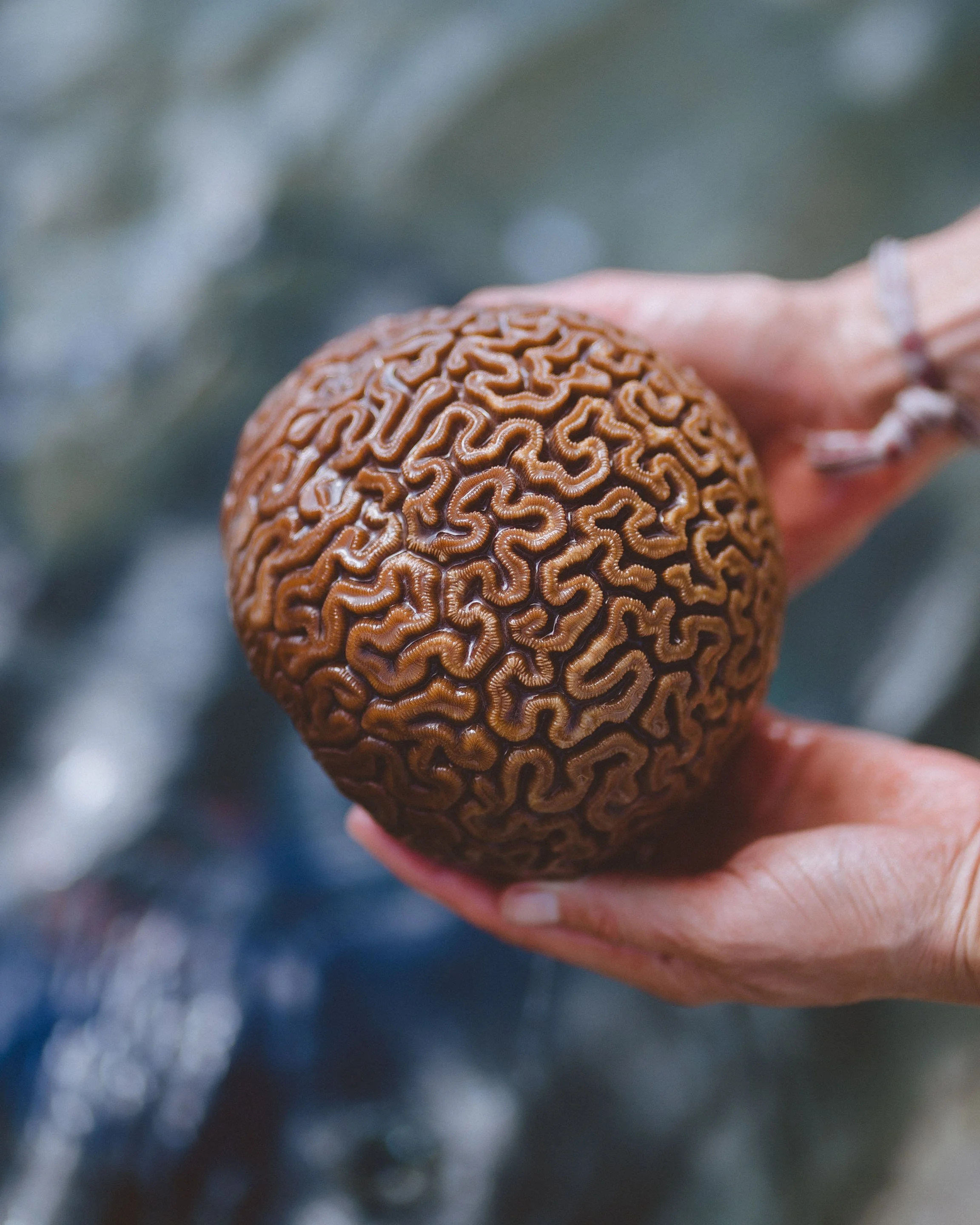
Restoration
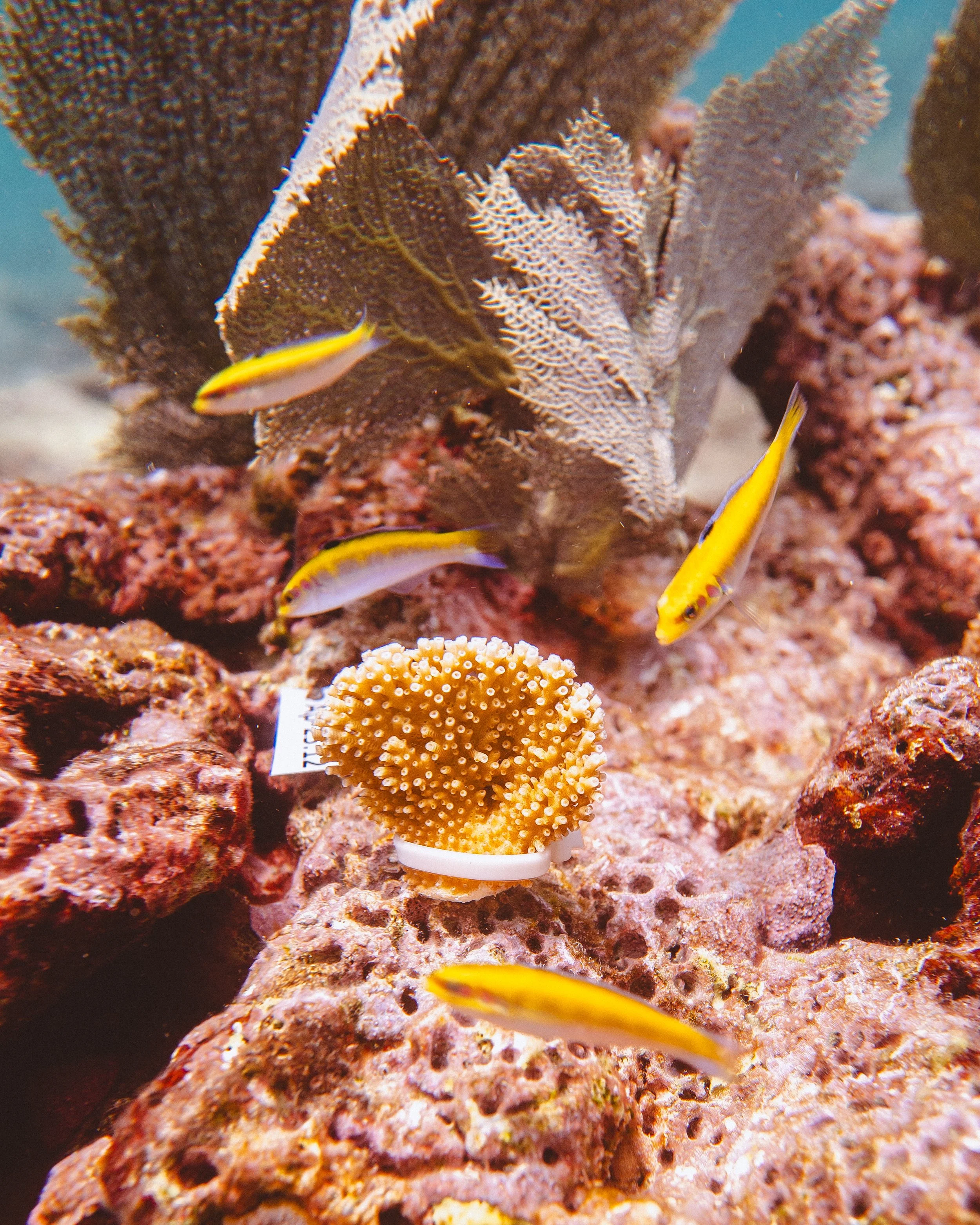
Why restoration?
As marine ecosystems become increasingly degraded around the world, sometimes conserving what is left is not enough. Restoration involves intentionally restoring species, habitats, or functions that have been lost (active restoration), as well as working to reduce environmental stressors (passive restoration).
In the Caribbean, we’ve lost more than half of our living coral reefs. Without these ecosystems intact, we are losing critical ecosystem services such as coastal protection, food provision, and tourism opportunities. AnuBlue has undertaken an ambitious coral restoration programme to help bring Antigua’s reefs back to life.
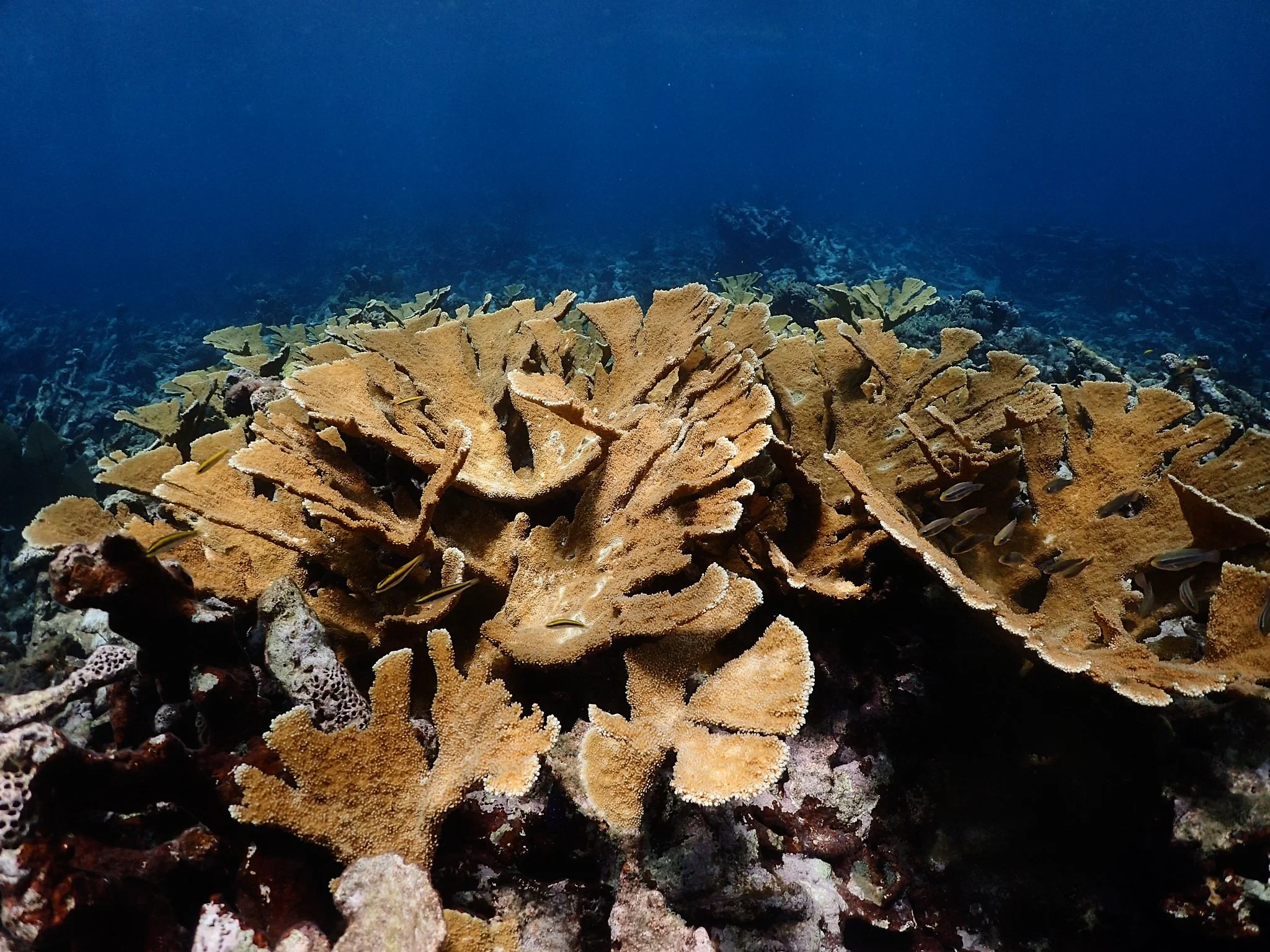
Rebuilding resilient coral populations on Antigua’s reef
Ongoing intense heat driven by anthropogenic climate change has led to widespread coral bleaching in the Caribbean, including Antigua and Barbuda. Read our various communications on these significant events below.
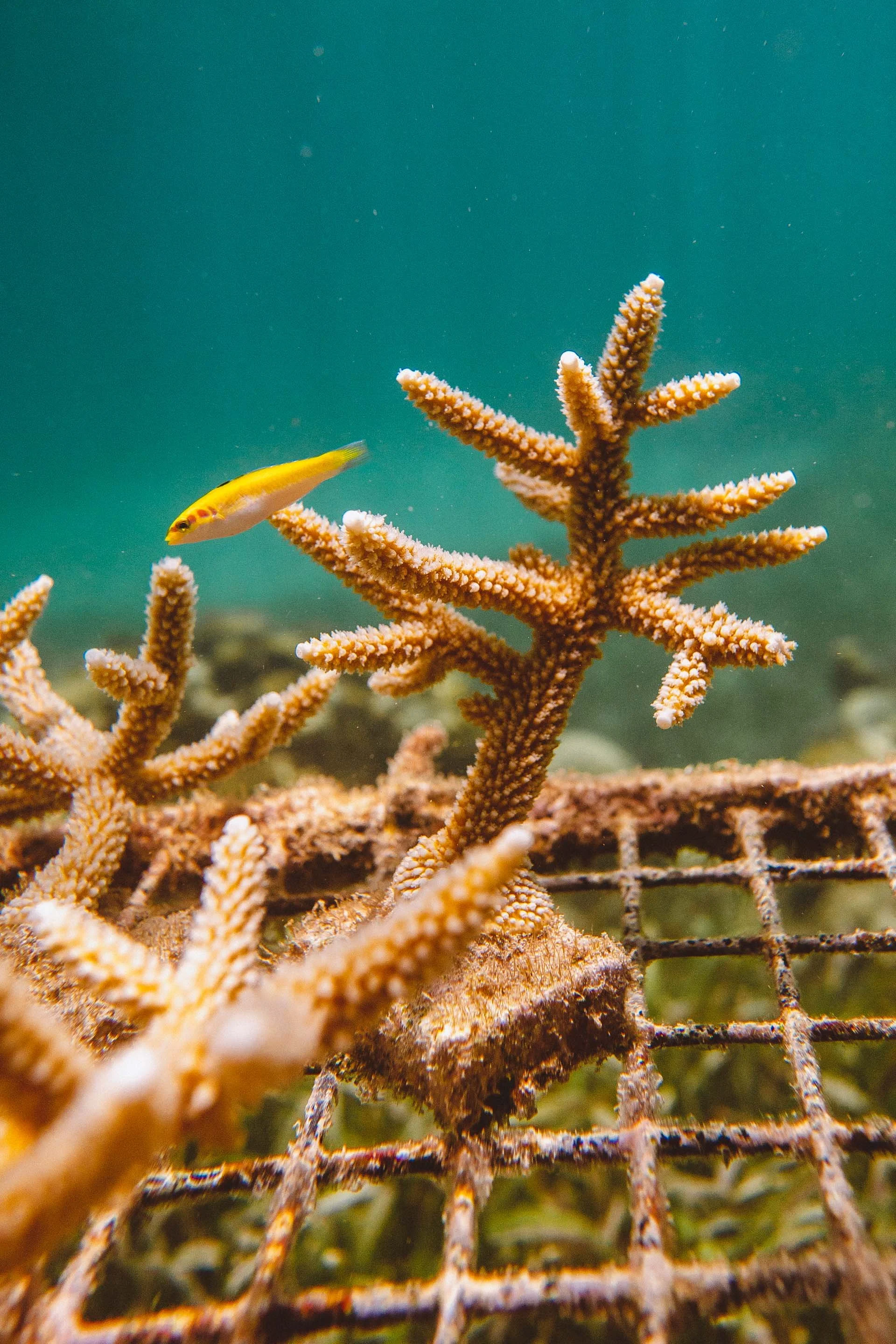
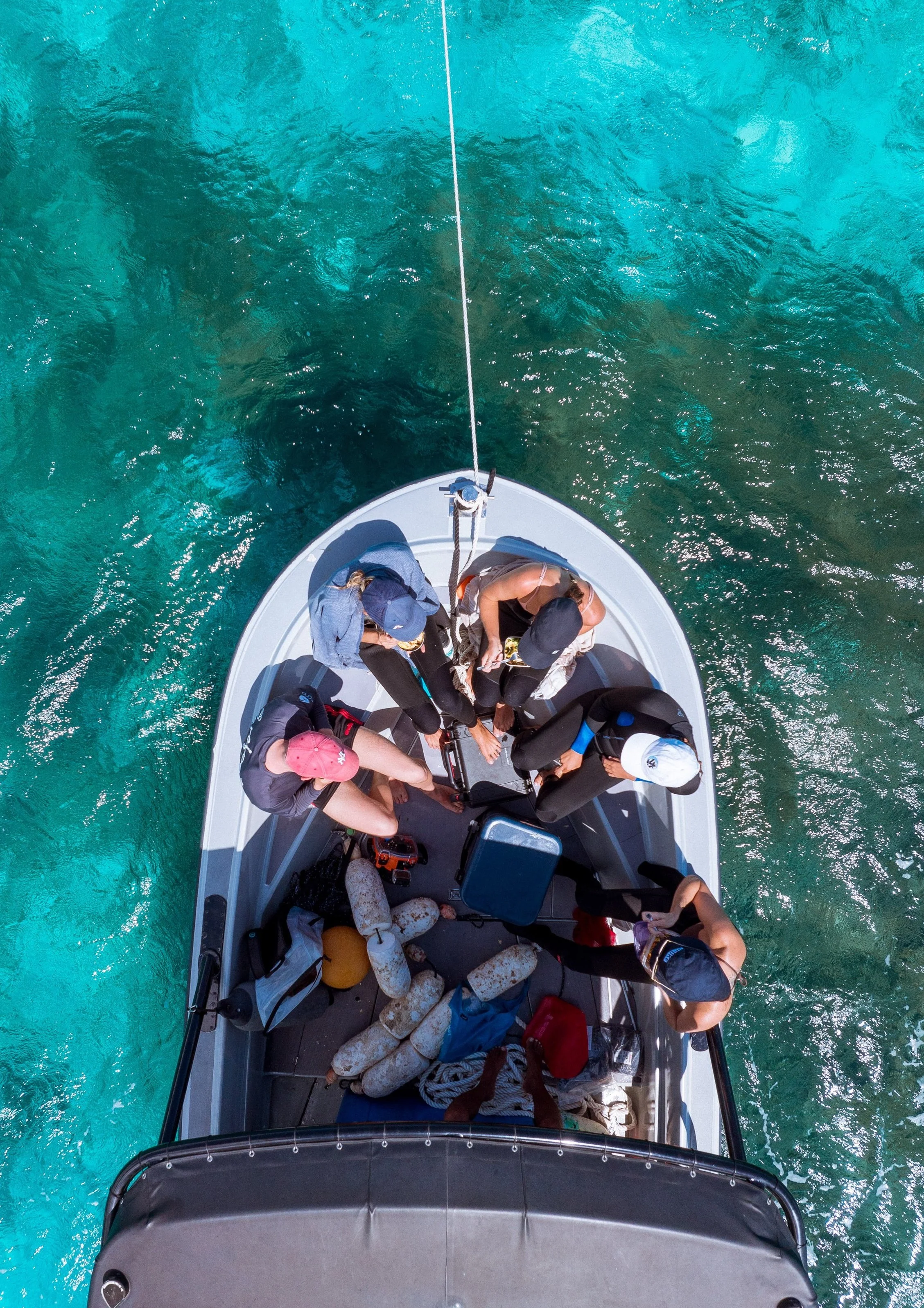
AnuBlue operates two coral nurseries adjacent to Green Island and York Island on the east coast of Antigua, as well as nurseries at Cades Reef and Jumby bay. We intentionally collect corals that demonstrate a higher resistance to stressors such as poor water quality, thermal stress and disease epidemics. Our nurseries house 14 species of reef-building corals, many of which are critically endangered. These corals are cultivated using a combination of ropes, PVC trees, and tables. Our Ten Pound Bay nursery at Green Island also includes a small on-land visitor station and shallow coral nursery structures ideal for educational snorkel trips for all ages!
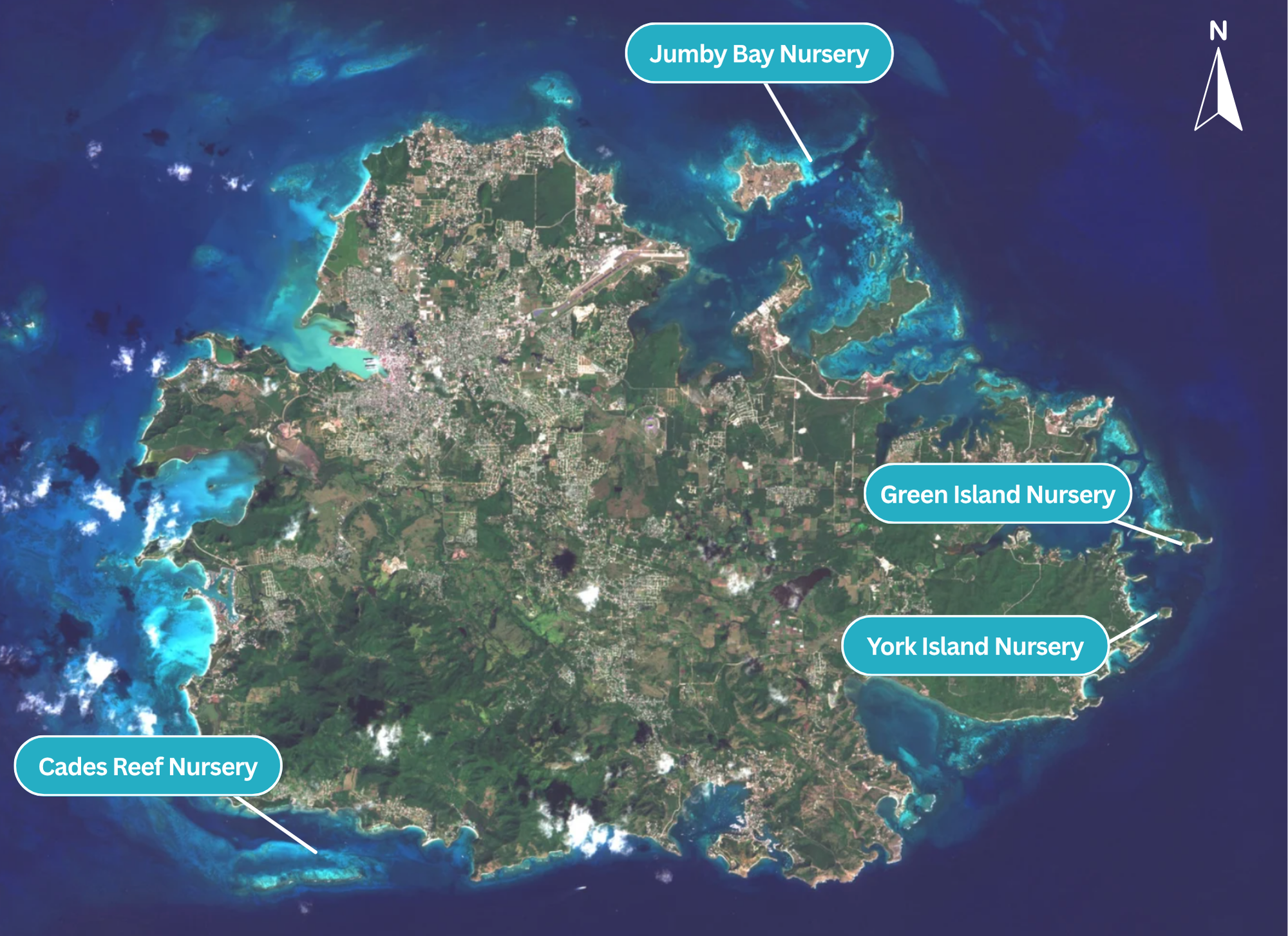
Our coral nurseries
How to restore a coral reef
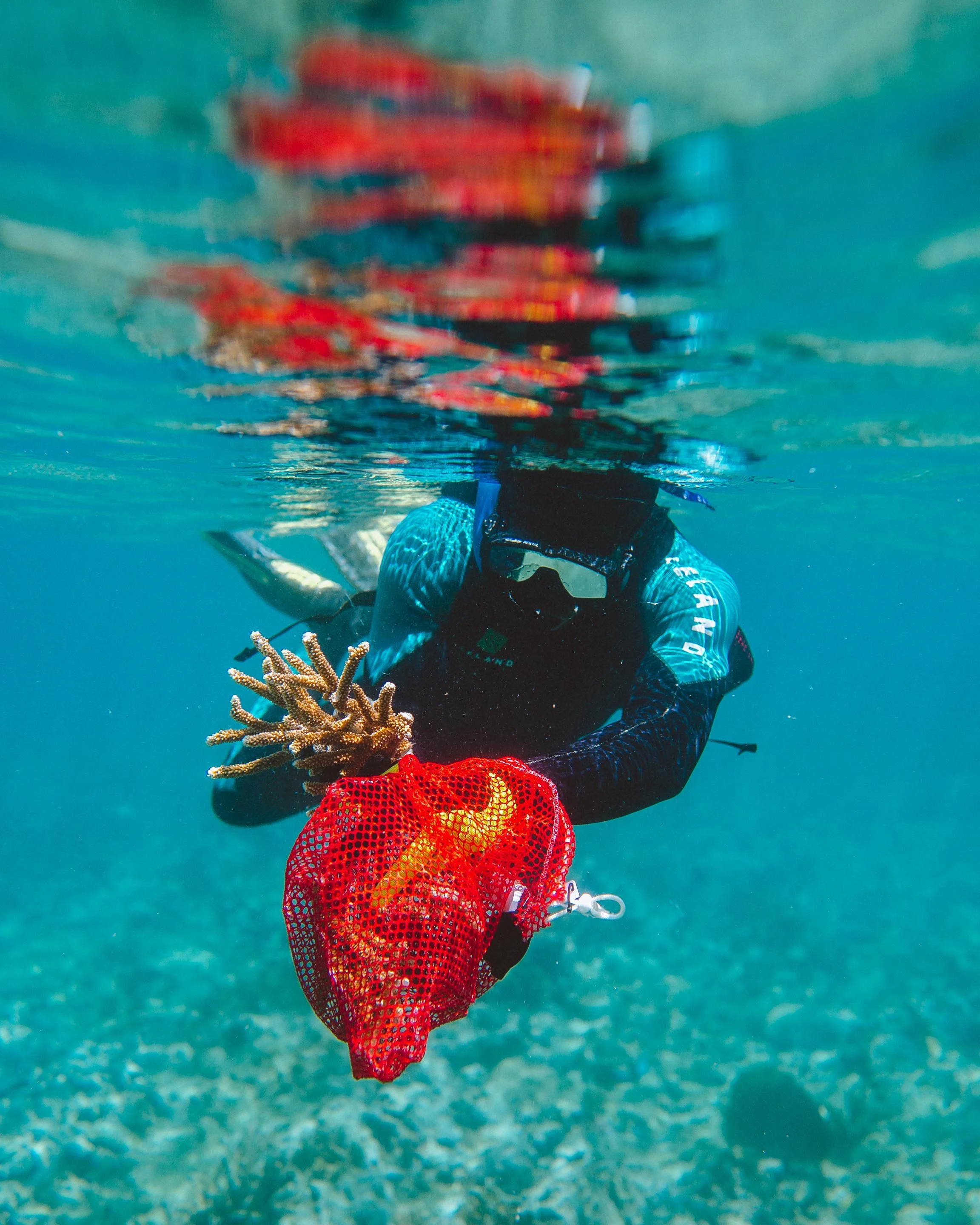
Collect
fragments from diverse and resilient coral colonies that have endured stressors
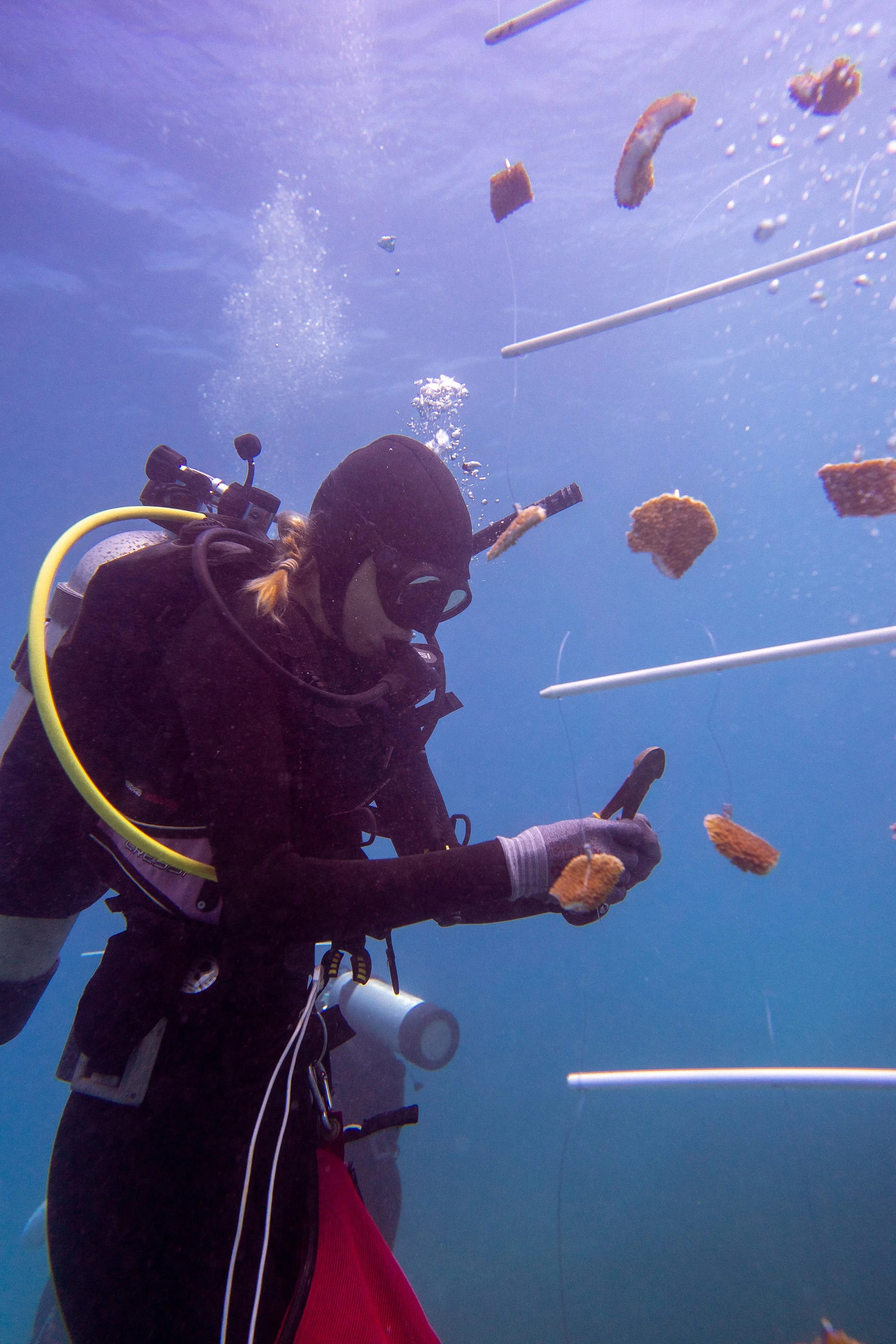
Grow
coral fragments in a protected nursery area where they can be propagated and monitored
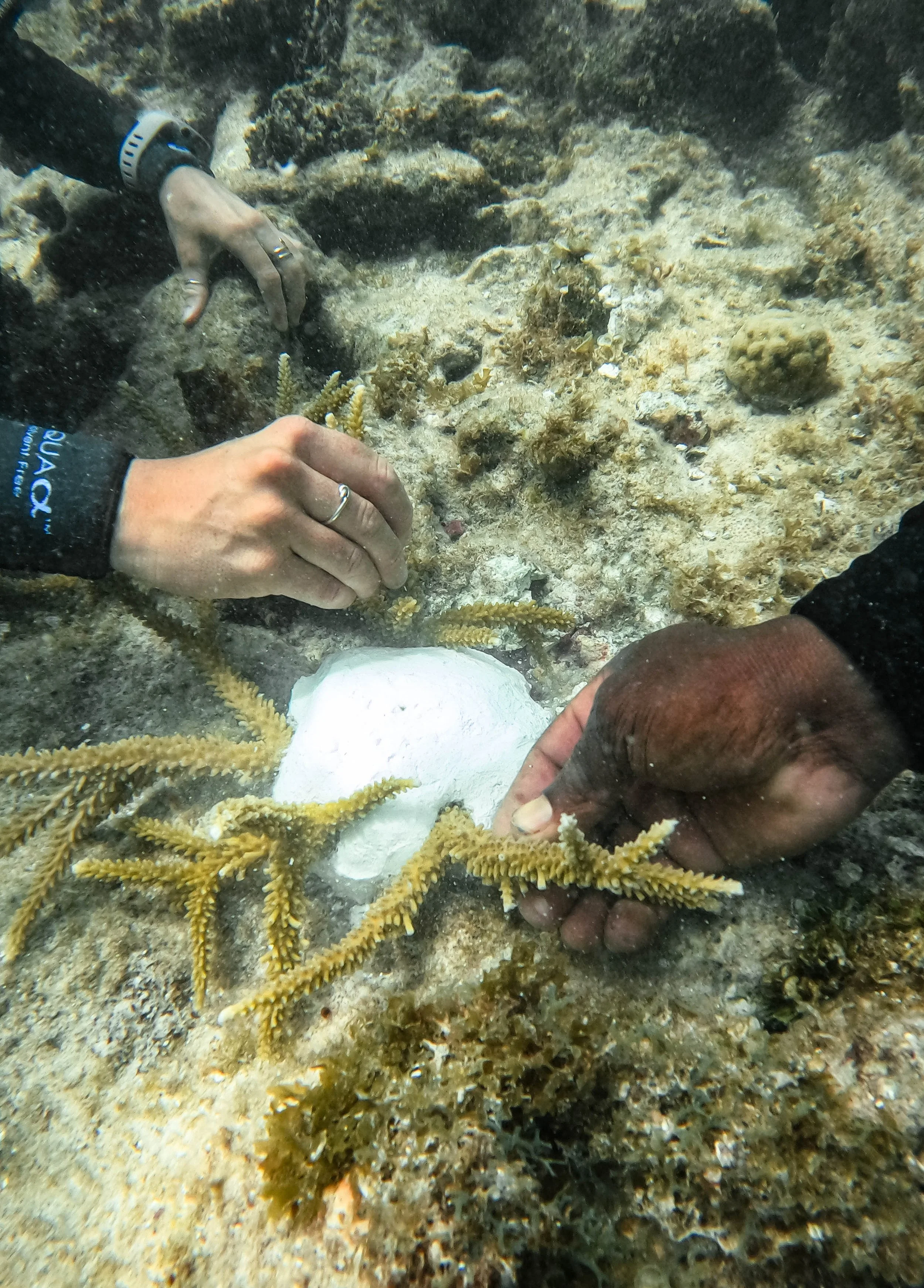
Plant
coral fragments onto degraded reefs once they have reached a sufficient size in the nursery
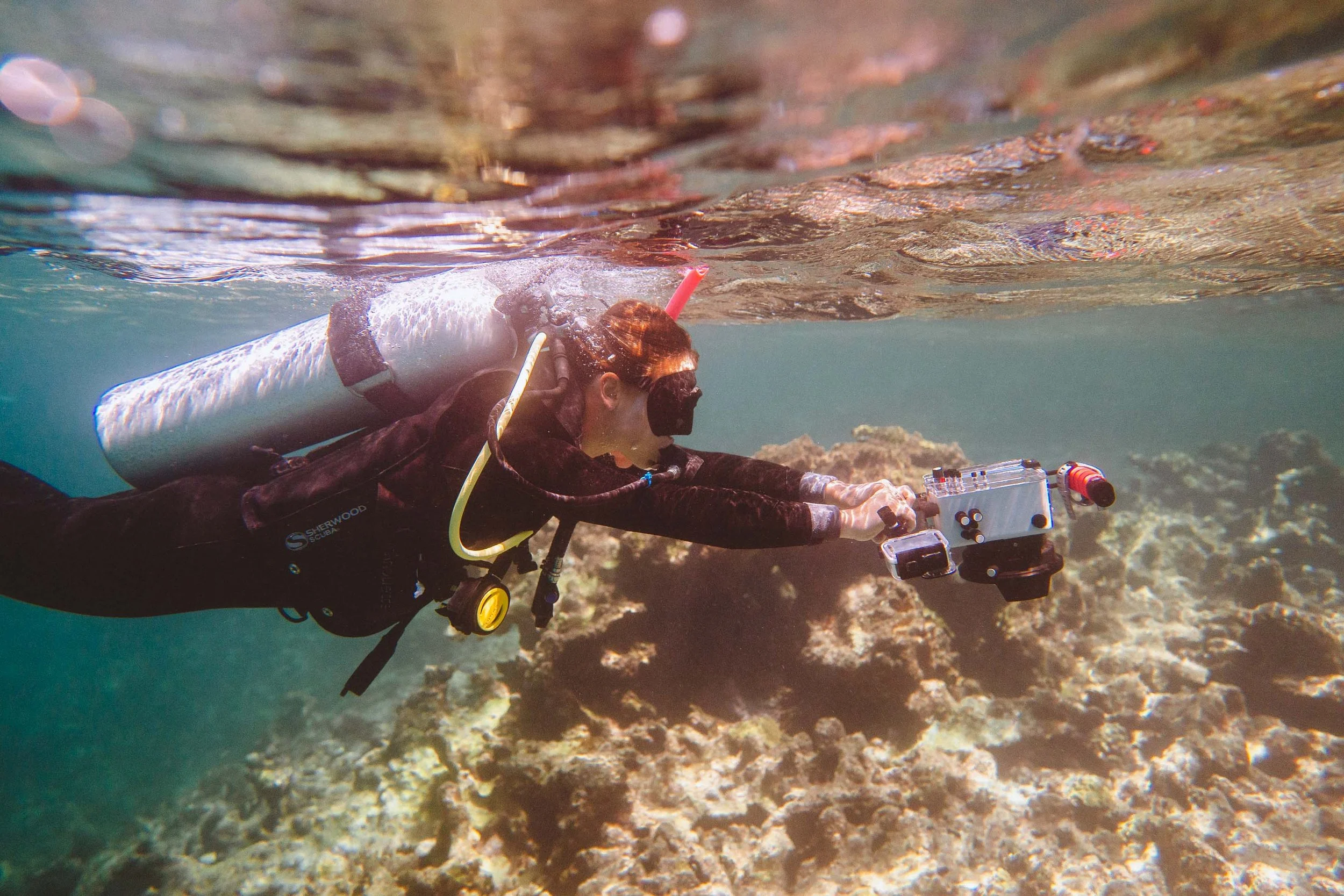
Monitor
outplanted fragments and the surrounding coral reef ecosystem over time
Cades Reef Sculptures
Where art meets restoration
At Cades Reef, art is taking on a life of its own. Four underwater sculptures are becoming part of the reef, as nursery-grown corals transform their rebar forms into living habitat.
Rebuilding resilient reef ecosystems
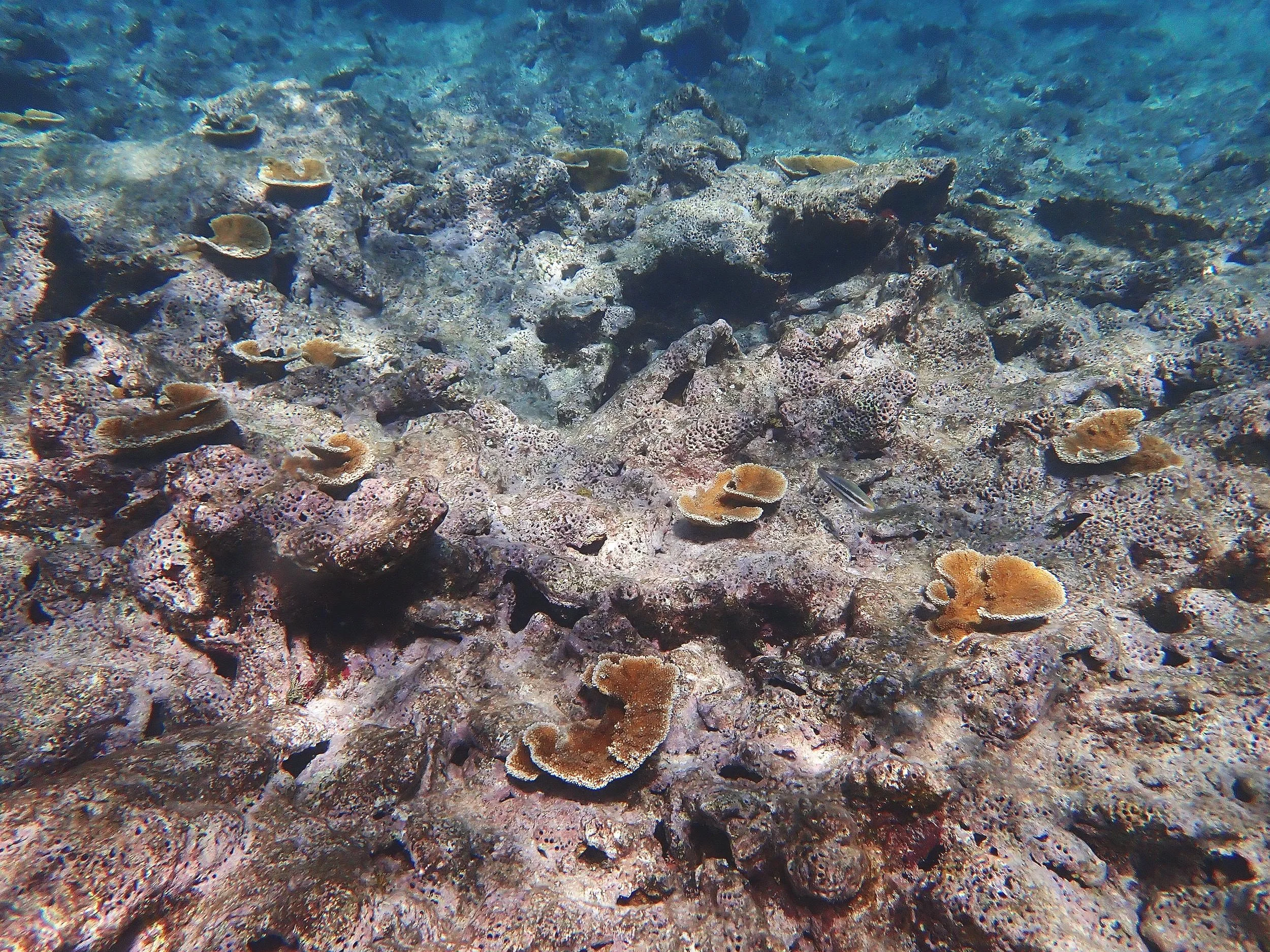
AnuBlue is working to restore degraded reef areas around Antigua, where coral skeletons stand where living corals once thrived, including Green Island, and York Island, and Cades Reef. As our nurseries grow, we will be expanding the number of restoration sites and corals outplanted, as well as to manage human impacts along Antigua’s coastlines.
Stan Waterman Memorial
AnuBlue is proud to honor Stan Waterman with a special memorial at our Green Island restoration site. Inducted into the International Scuba Diving Hall of Fame, Stan was one of the world’s most influential and renowned scuba divers as a pioneering photographer, author and Emmy-winning underwater film producer who worked with AnuBlue Trustee Martha Watkins Gilkes for over 30 years. He was also a dedicated shark conservationist, serving 17 years as President of the Shark Research Institute. Honoring Stan’s wish to rest in Antigua, his ashes were mixed with a medium to plant coral fragments from AnuBlue’s nursery onto the reef bed during a ceremony attended by his family and close diving companions. This memorial will contribute to EMC’s coral restoration, allowing him to rest peacefully in the sea he cherished.
Footage by Roddy Grimes-Graeme at Acqua Films
Innovation
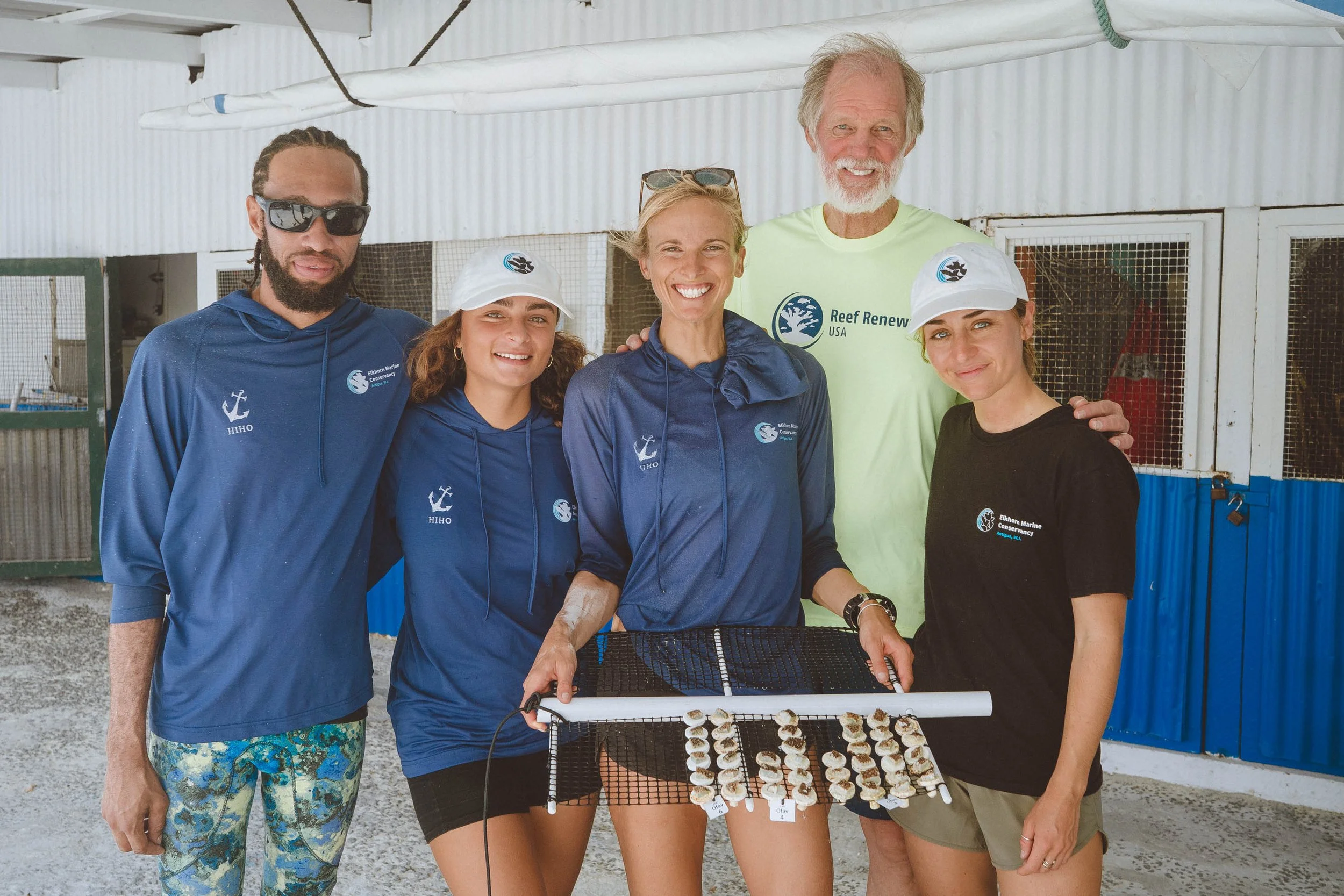
Exploring new techniques for restoring ecosystems helps a growing community of practitioners work more effectively and efficiently. We are constantly working to improve coral restoration methods, including testing novel structure designs and integrating recycled and locally sourced materials, such as reclaimed tiles and marine debris, into our restoration practices.
We utilise microfragmentation - or the splitting of coral colonies into small (dime-sized) fragments - to propagate and stimulate growth in boulder coral species such as brain and star corals. We have adapted this propagation technique from Dr. David Vaughan of the Plant a Million Corals Foundation and are rearing micro fragments in-situ with guidance from Ken Nedimyer of Reef Renewal.
What’s next?
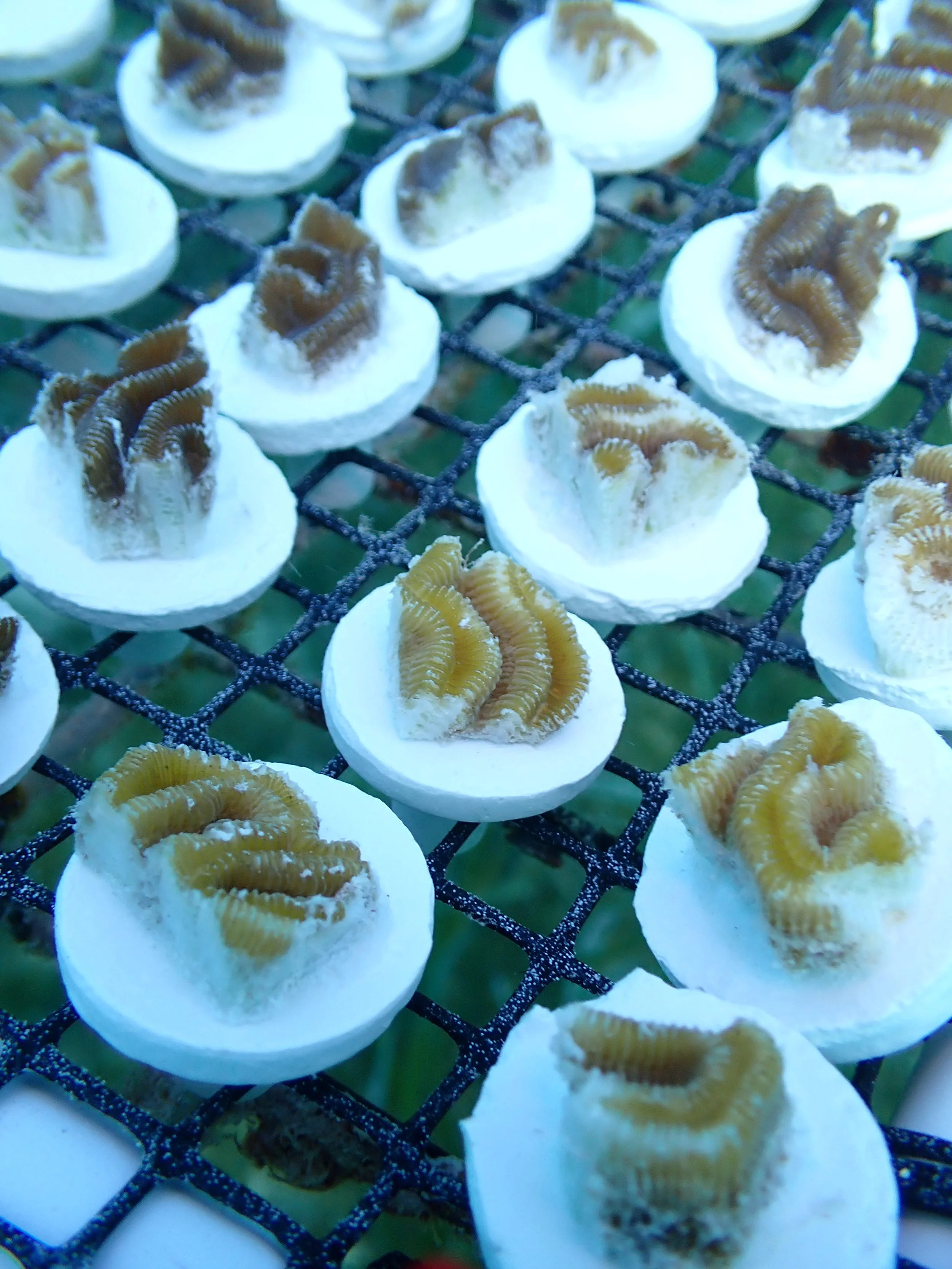
Increasing the number of coral species and genetic variants in our program
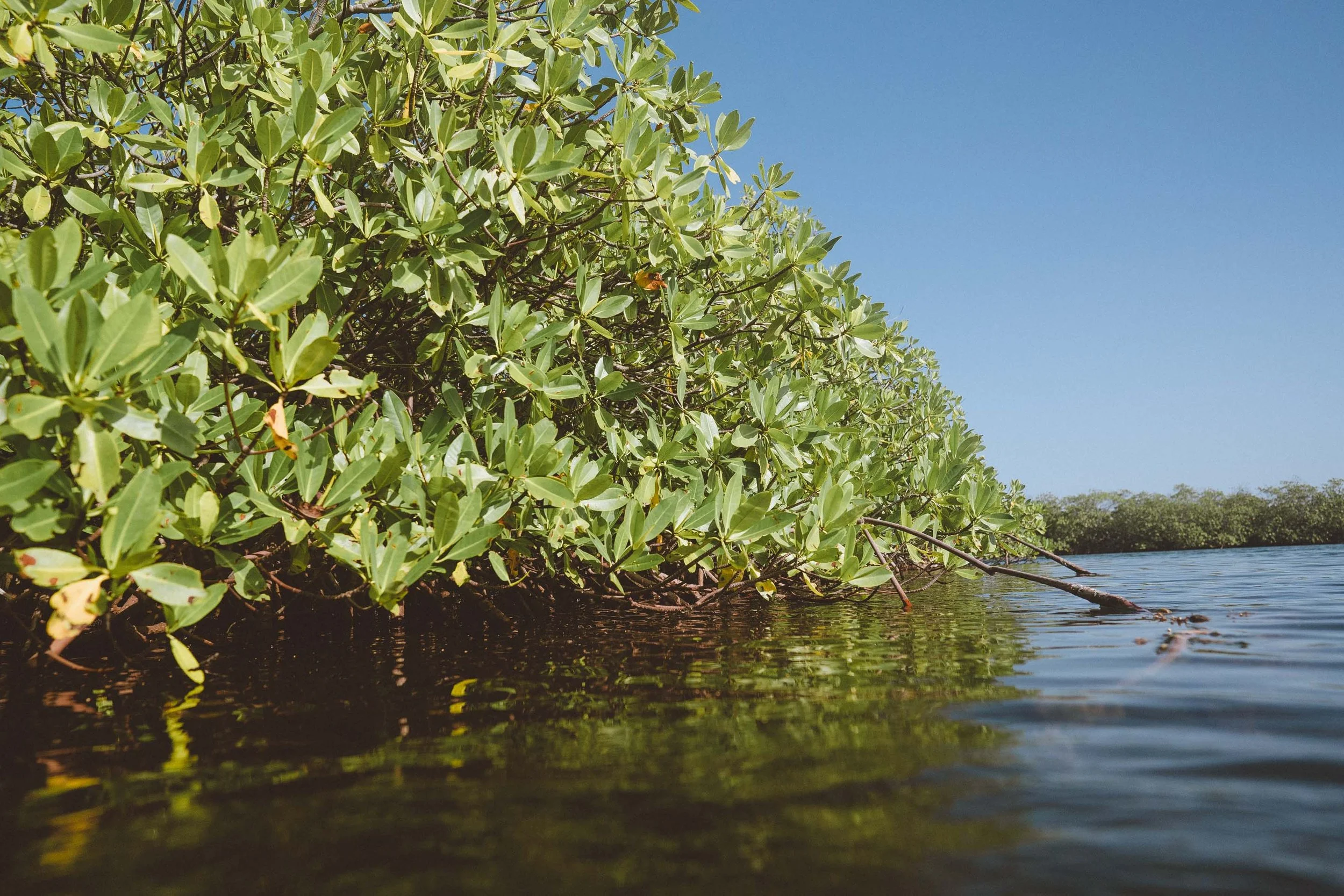
Restoring critical mangrove and seagrass ecosystems
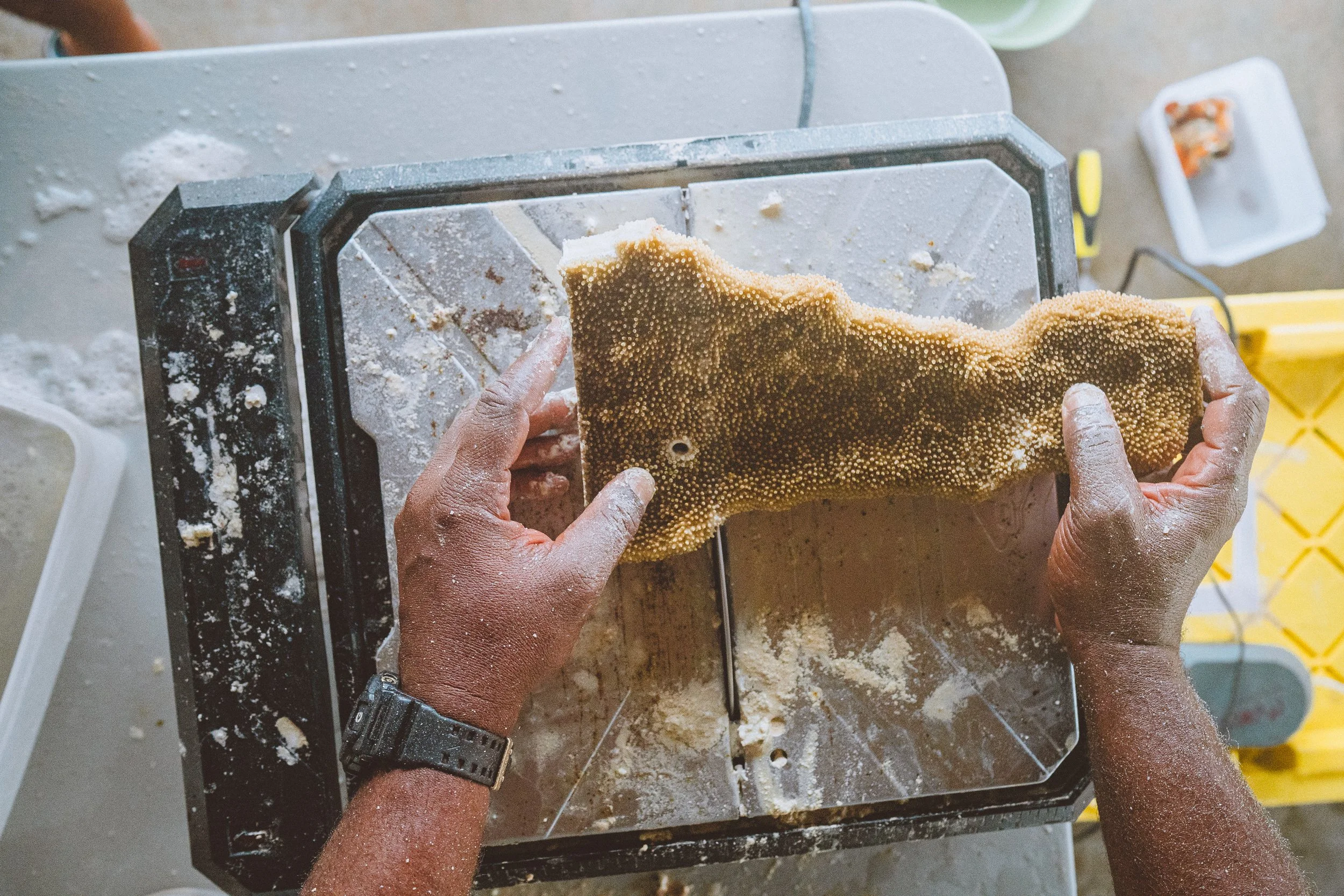
Experimenting with in-situ micro fragmentation techniques
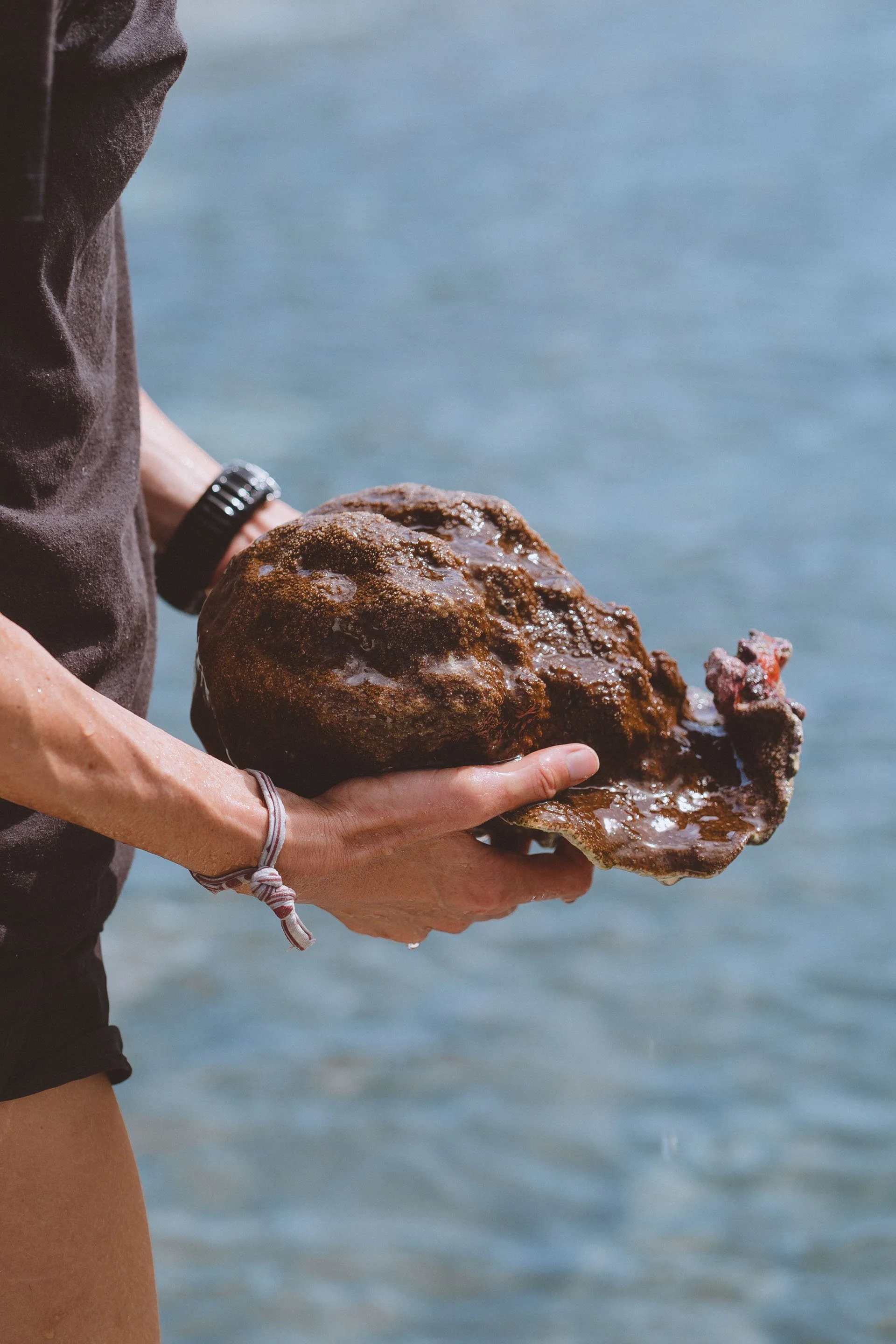
Increasing the diversity of stress resistant corals, while preserving genetic diversity in critically endangered species
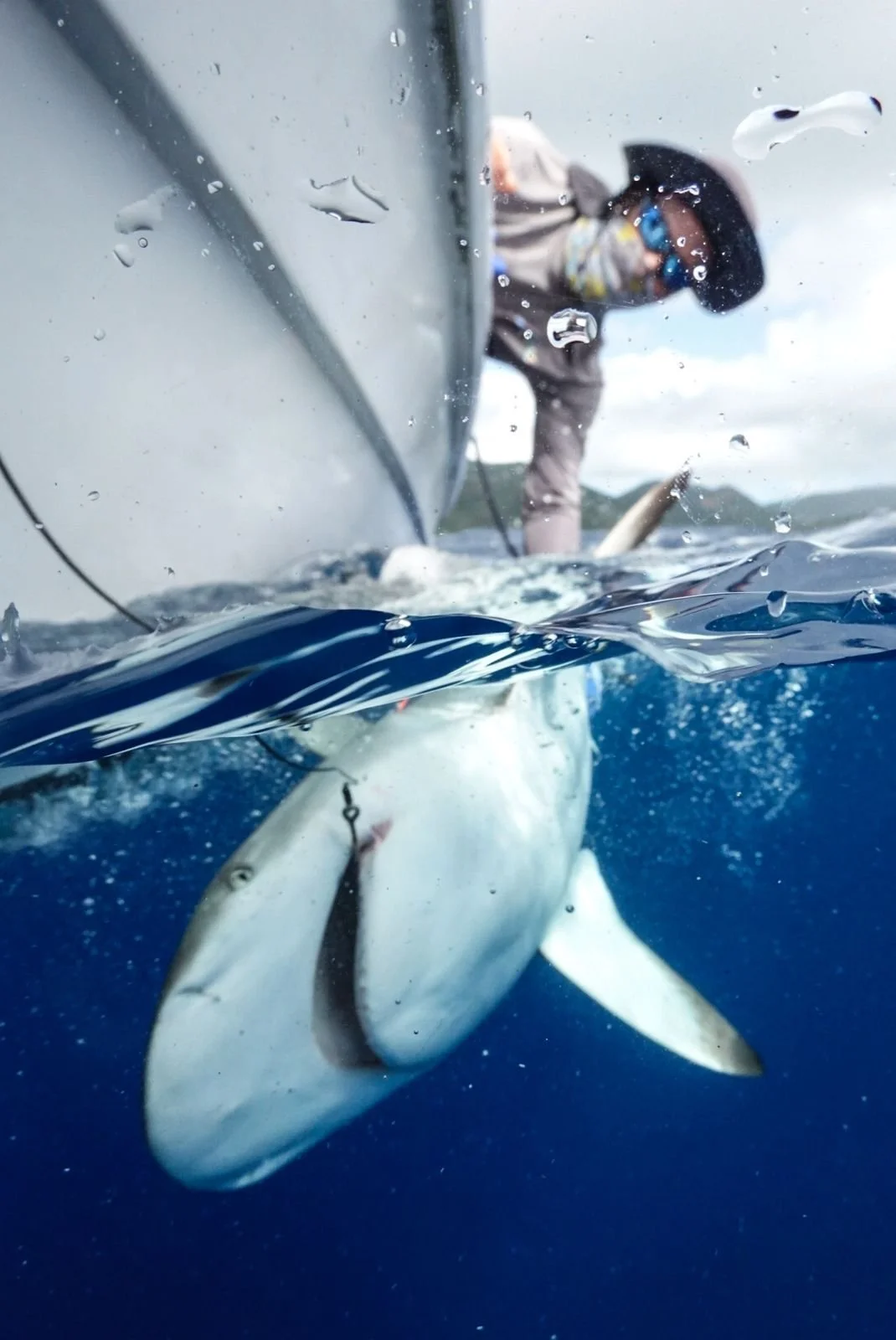
Understand the abundance and migration patterns of crucial megafauna, including keystone shark species vital to healthy reefs
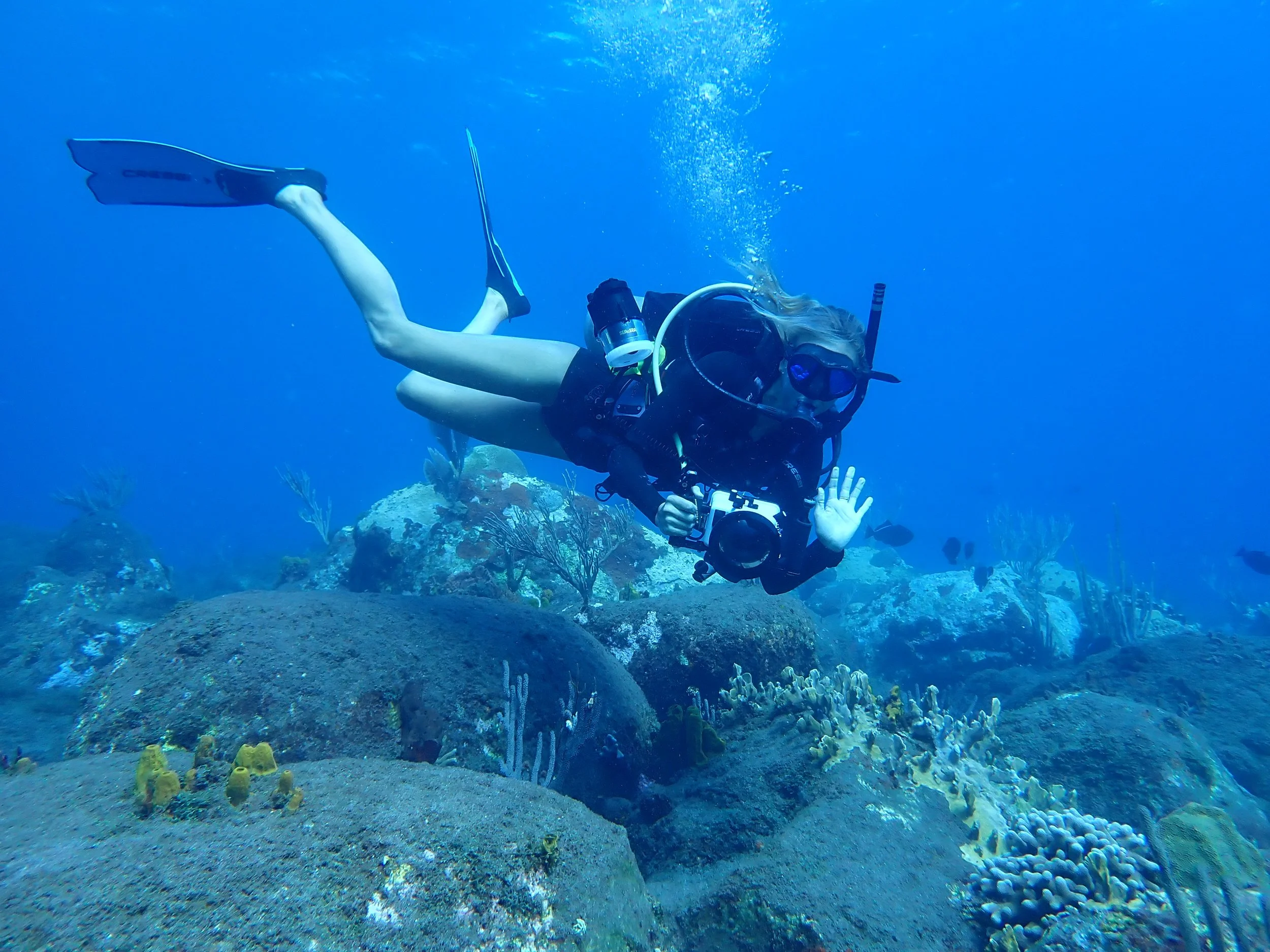
Monitoring the health of coral reefs around Antigua and Barbuda
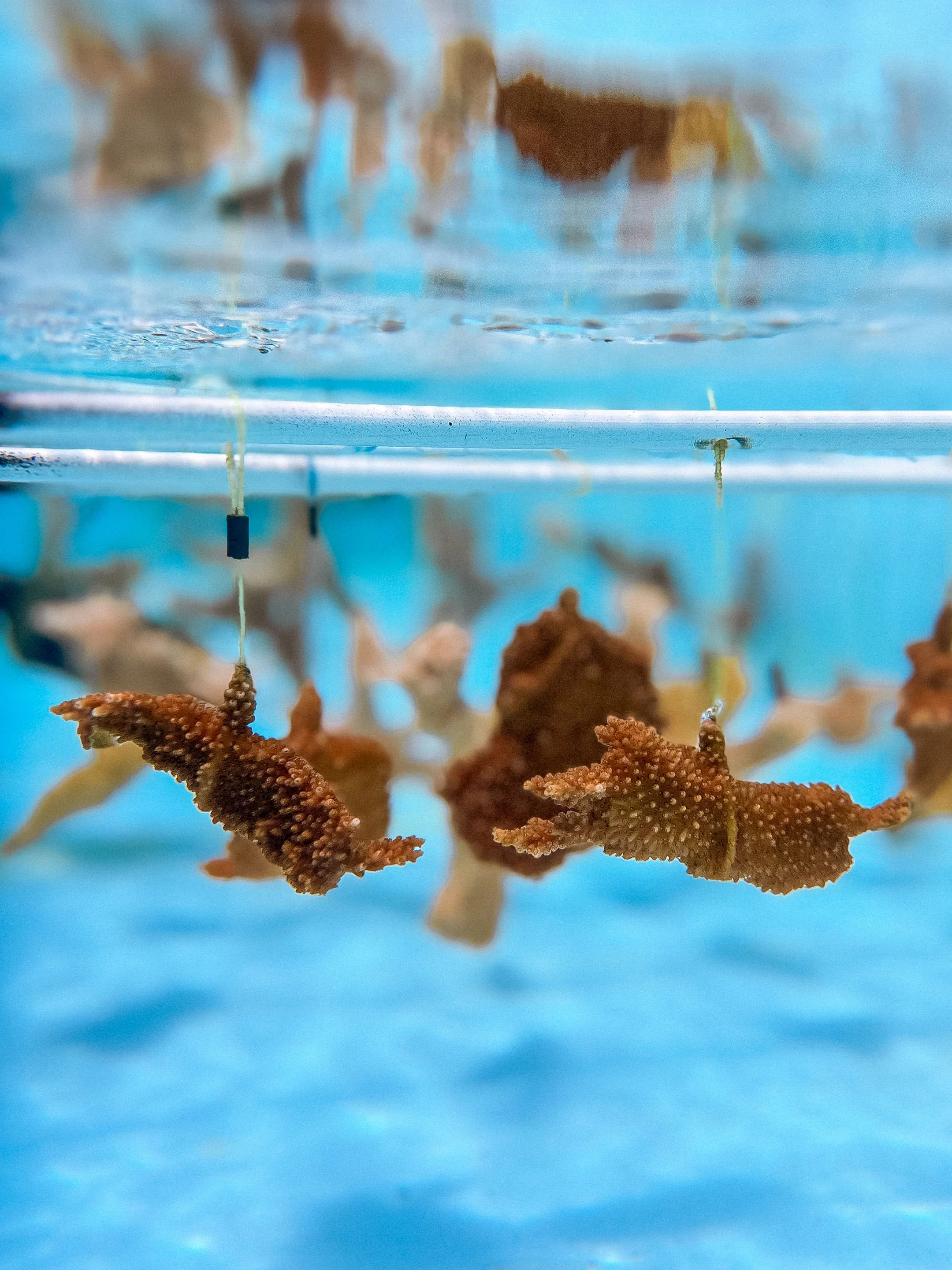
Establishment of an on-land lab to preserve genetic diversity in the face of changing conditions, including stress testing our strongest coral genotypes
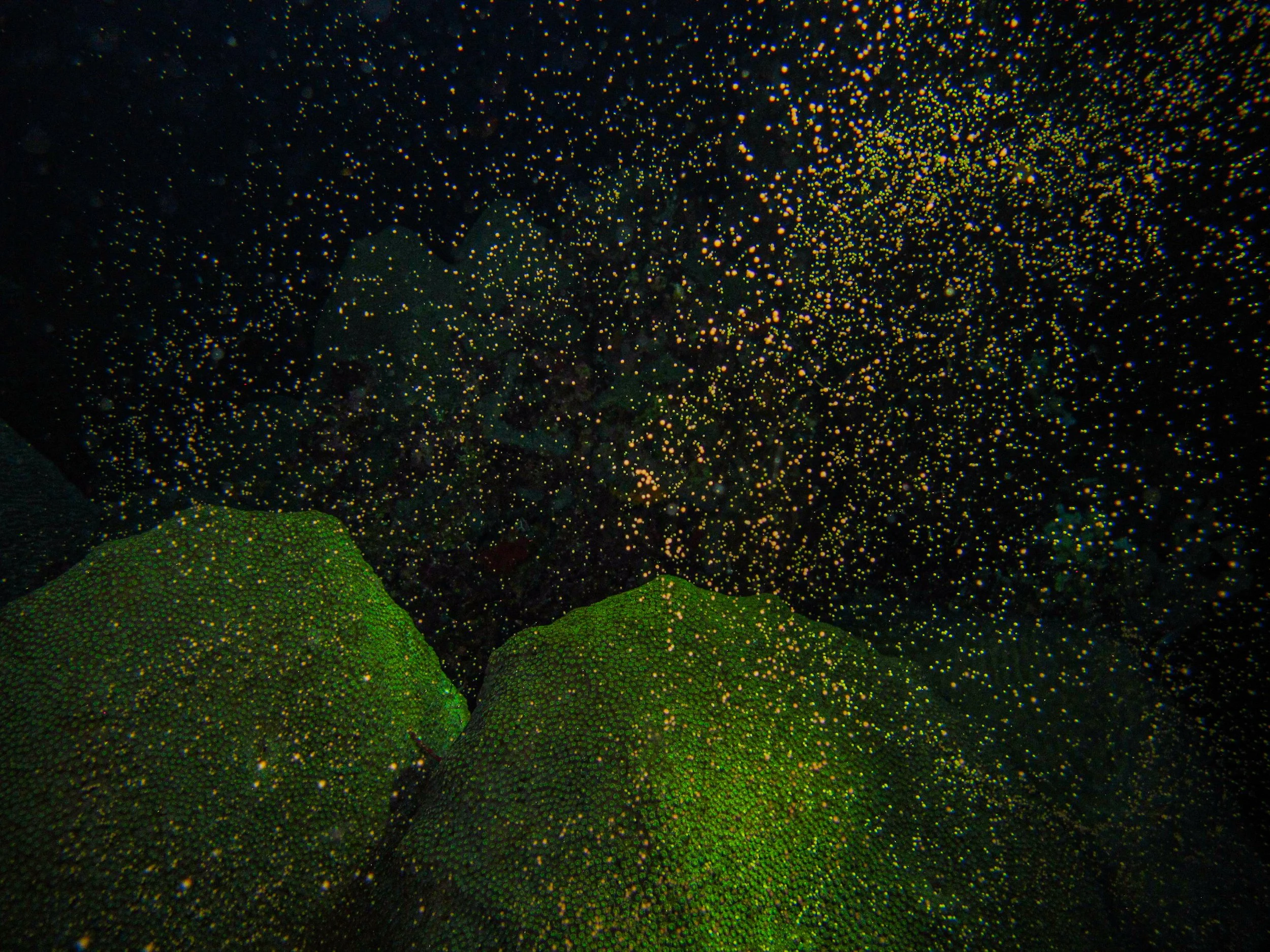
Determining spawning windows for keystone coral species that currently face an elevated risk of extinction