
Coral Spawning
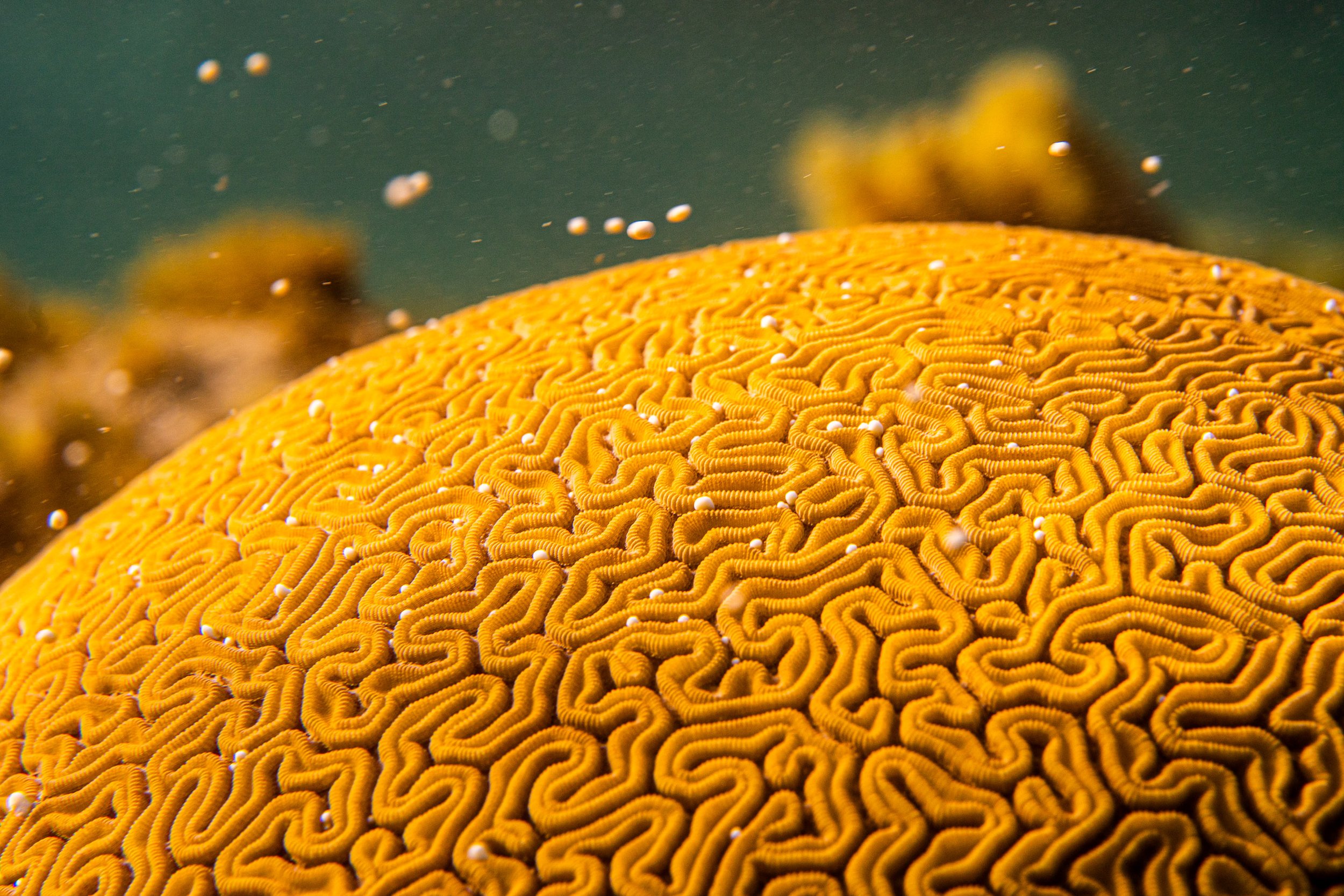
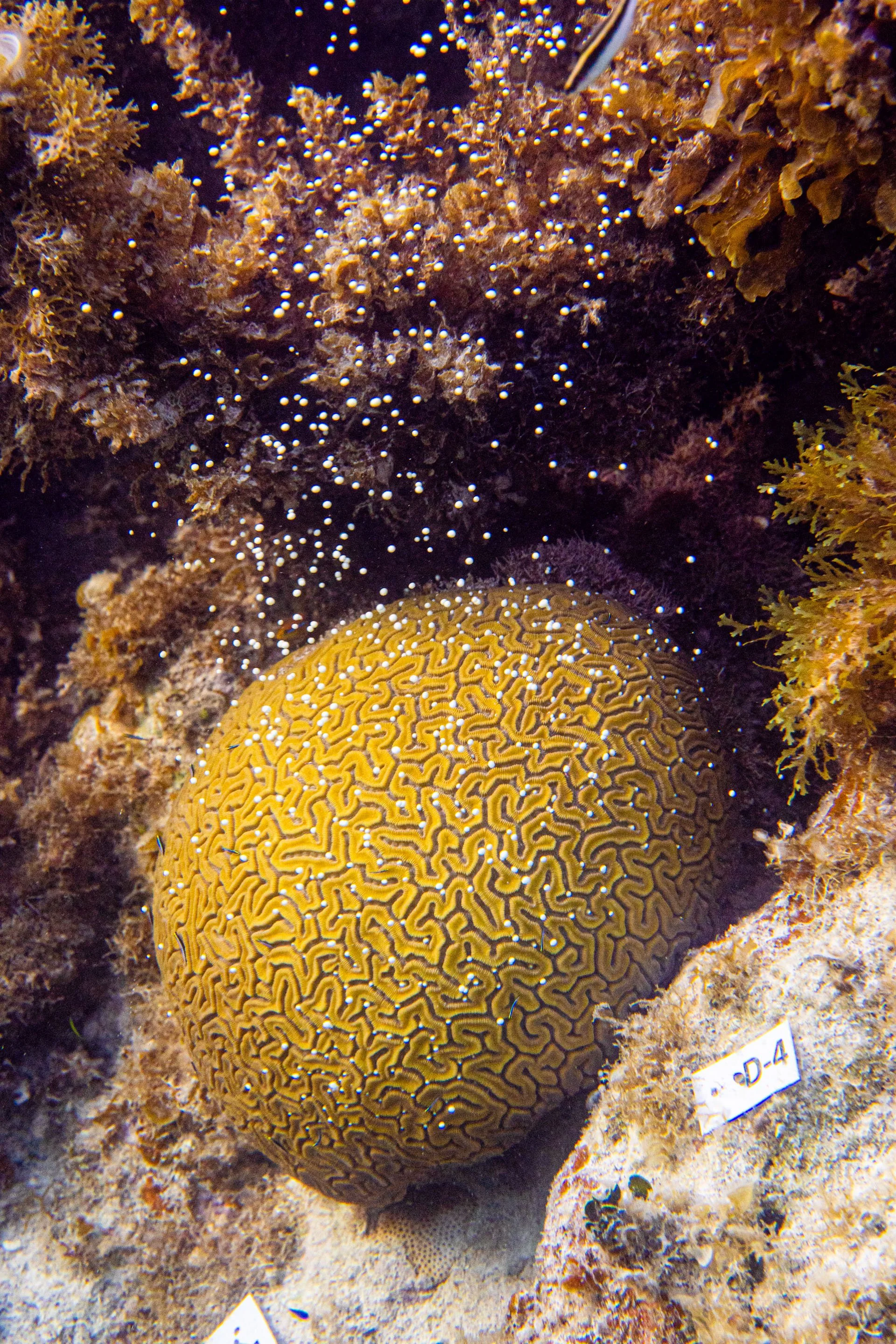
Beneath the surface, one of the ocean’s most remarkable natural events takes place. On certain nights of the year, guided by environmental cues such as the lunar cycle and water temperature, coral colonies release eggs and sperm into the water in a synchronised event known as coral spawning. This extraordinary process gives rise to new generations of corals, helping to maintain genetic diversity and support the long-term health and resilience of our reefs.
How do corals reproduce?
During spawning, coral polyps release bundles of eggs and sperm that rise towards the surface, where fertilisation can occur. The fertilised eggs develop into tiny, free-swimming larvae that drift with ocean currents for days to weeks, sometimes travelling considerable distances.
As they approach the seafloor, the larvae actively search for a suitable place to settle, guided by natural chemical signals from organisms living on the reef. Once they find a suitable hard surface, they attach and transform into tiny coral polyps. Each polyp begins building a calcium carbonate skeleton and, over time, grows and divides to form a new coral colony.
Why coral spawning matters
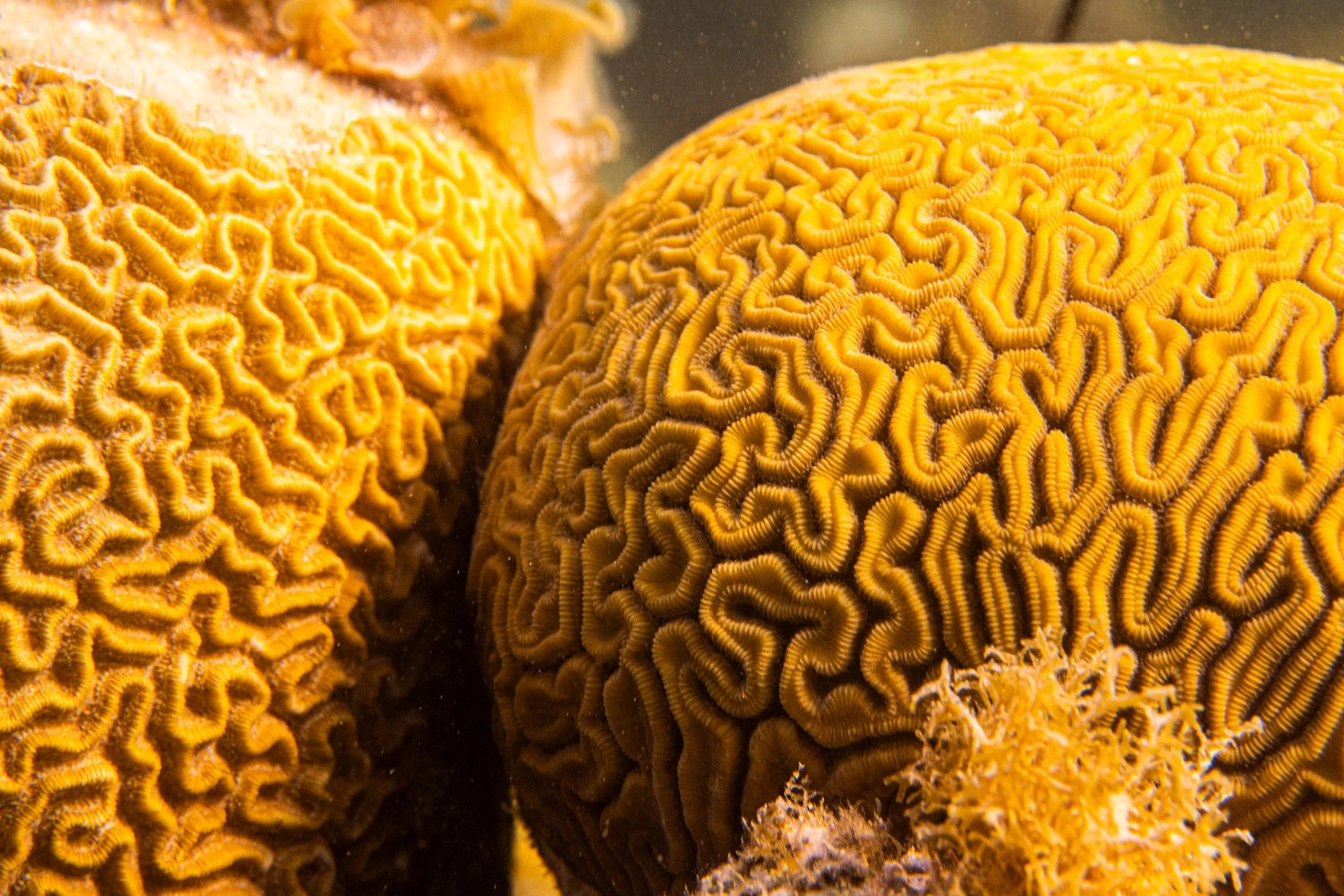
While coral fragmentation allows us to grow genetically identical copies of existing colonies, sexual reproduction creates new genetic combinations. This diversity is important for the long-term resilience of coral populations, potentially improving their ability to adapt to changing environmental conditions.
Natural spawning also allows coral populations to replenish themselves, establish new colonies and contribute to the recovery of degraded reefs.
Studying Coral Spawning in Antigua
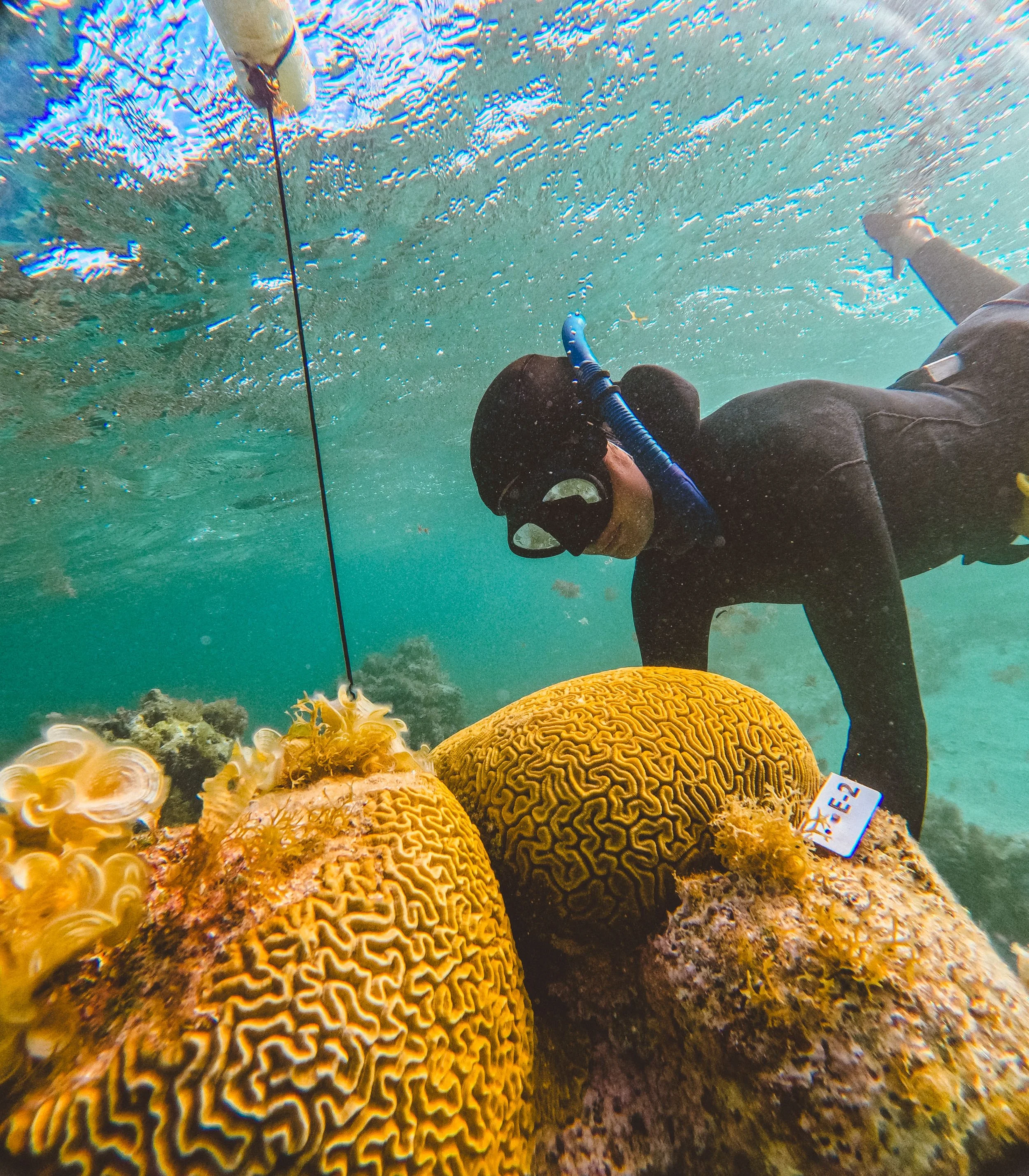
Understanding when and where corals reproduce is an important part of AnuBlue’s research and efforts to support the long-term recovery of our reefs. In May 2026, our team documented 28 individual spawning events involving grooved brain coral (Diploria labyrinthiformis) in waters northwest of Green Island, providing valuable insight into local reproductive patterns.
Our team has also undertaken specialised training at the Corallium Lab in Puerto Morelos, Mexico, gaining hands-on experience in coral spawning, fertilisation and larval rearing techniques. This knowledge will help us explore how sexual reproduction can complement our existing coral propagation methods, with the goal of increasing genetic diversity and strengthening the long-term resilience of Antigua’s reefs.