
Cades Reef Sculptures
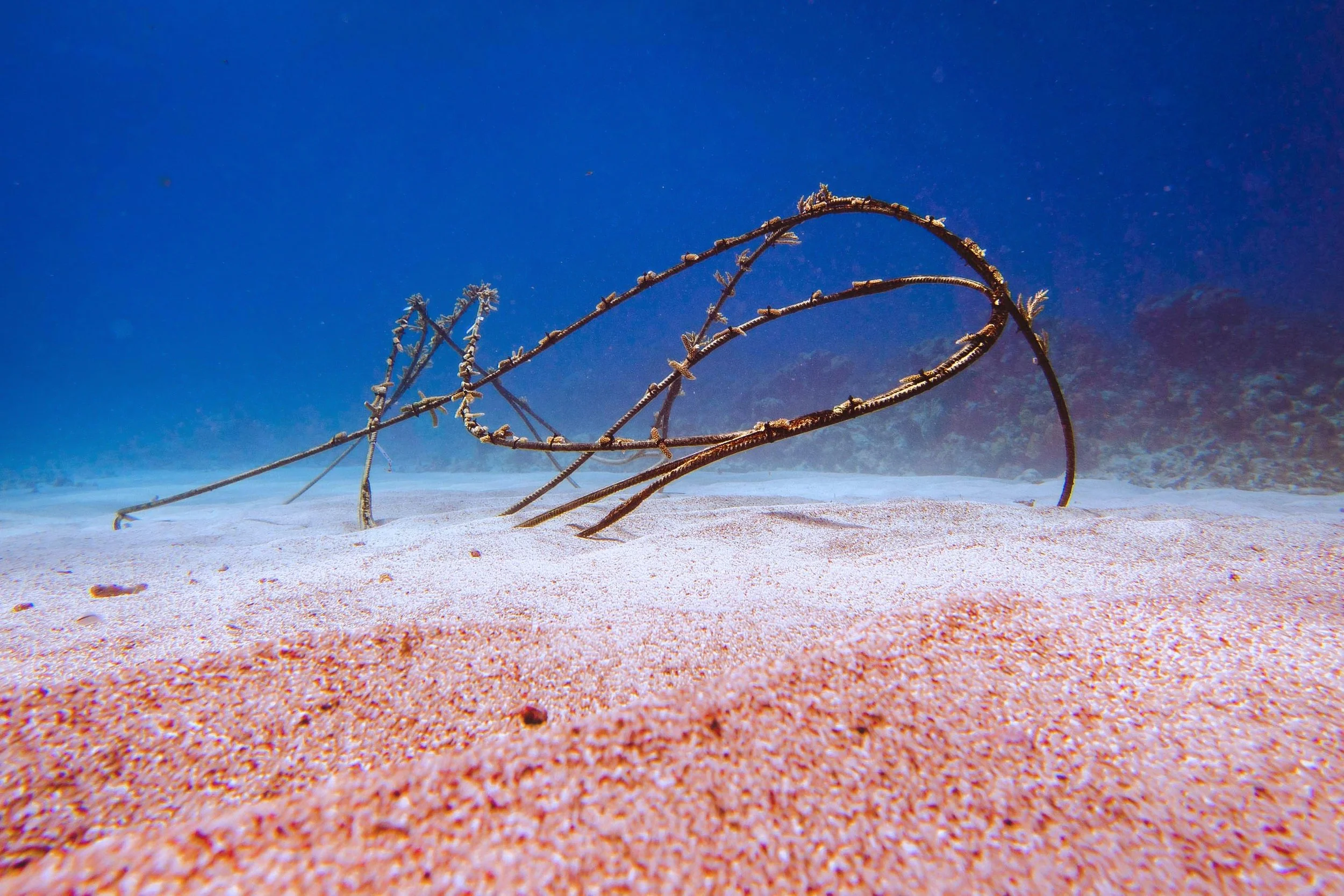
Four underwater sculptures are becoming part of a living reef at Cades, creating new space for nursery-grown corals to grow while connecting art, science and restoration beneath the surface.
A NEW CANVAS FOR CORAL RESTORATION
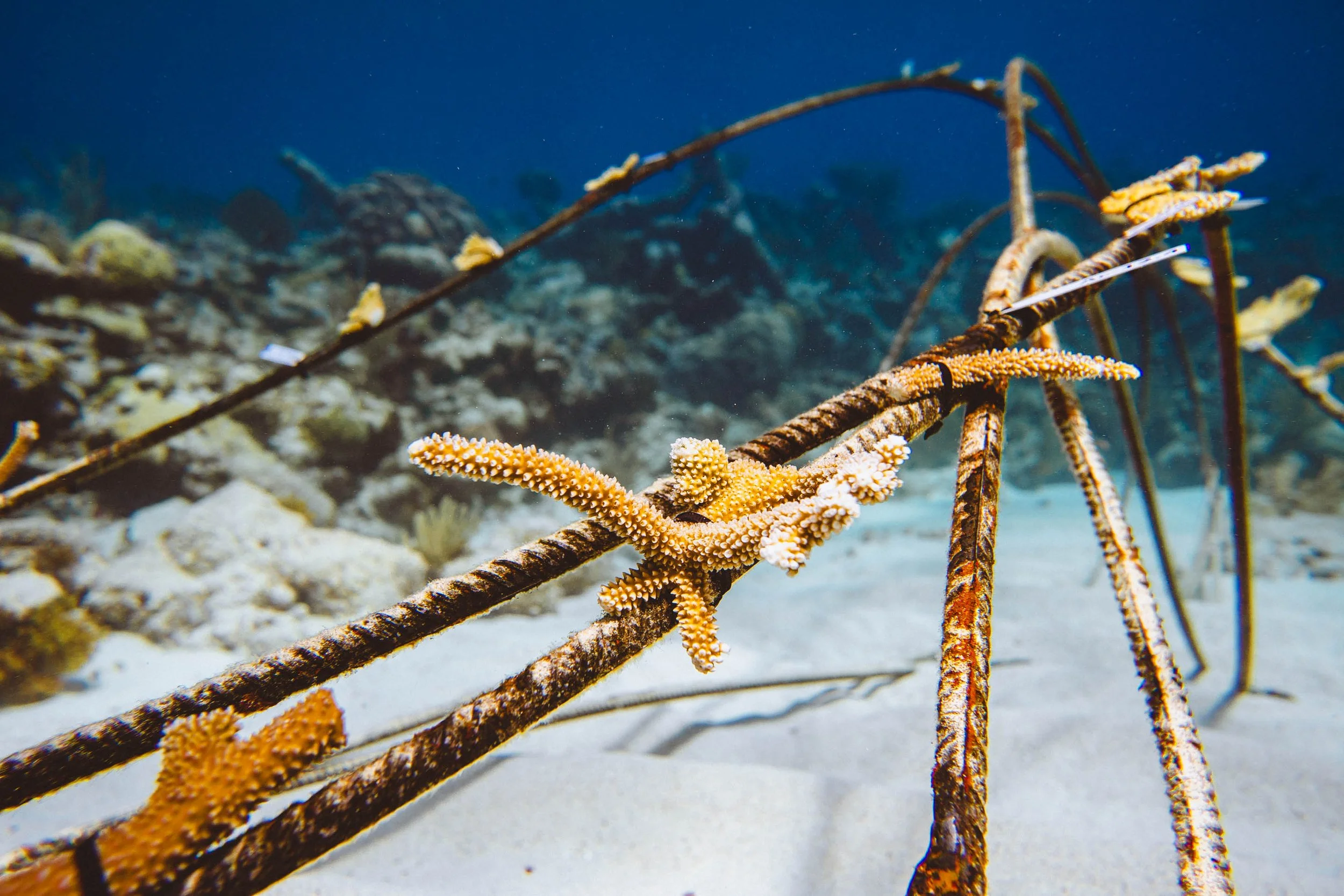
At Cades Reef, art and coral restoration are coming together in a new way. Four underwater sculptures now form part of AnuBlue’s restoration site, creating a unique canvas where nursery-grown corals can establish, grow and gradually transform the structures over time.
Blending creativity with conservation, the project explores a different approach to rebuilding reef habitat — one shaped not only by design, but by coral growth, marine life and the changing reef itself.
BEHIND THE DESIGN
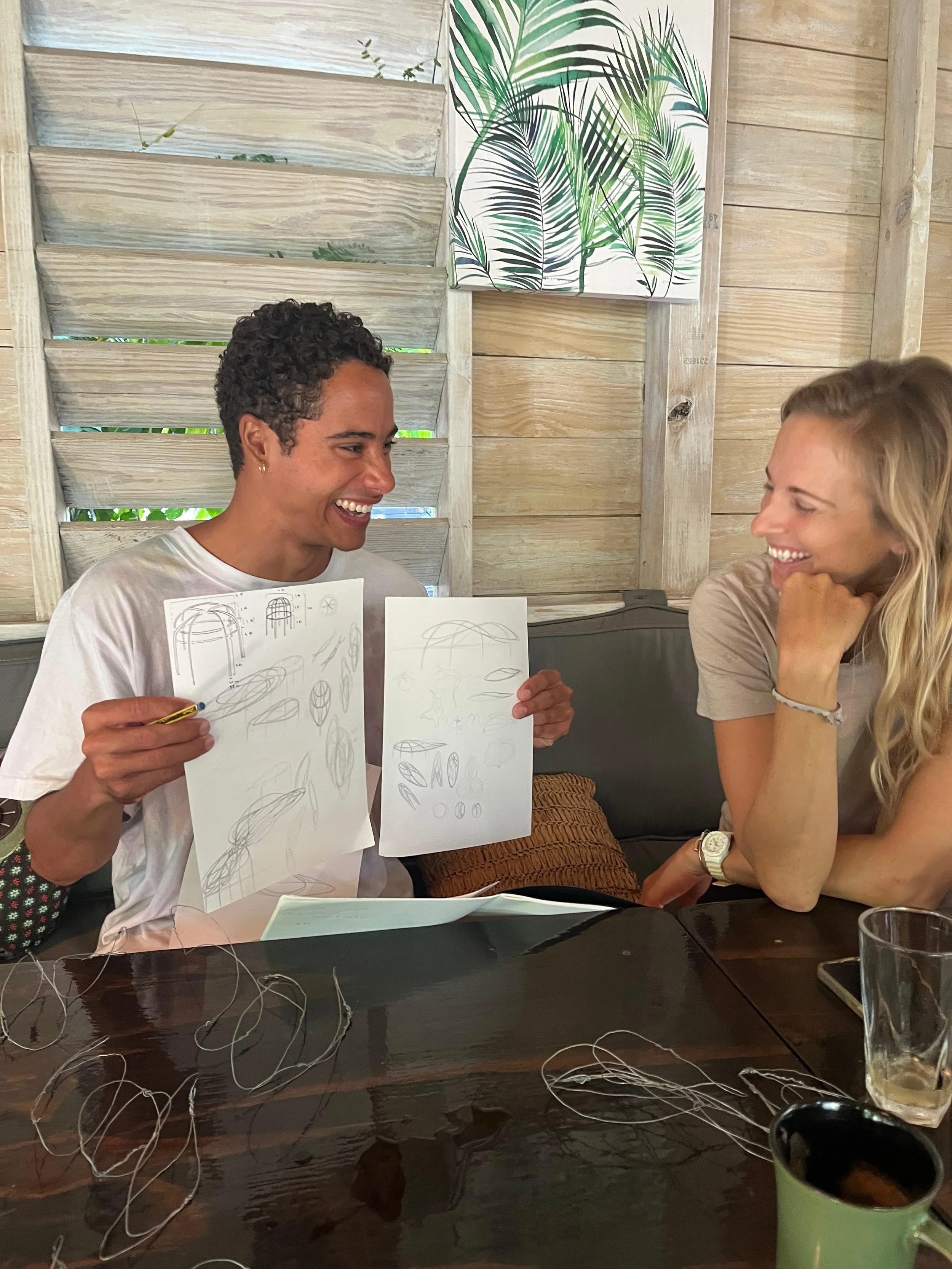
Building on the success of our rebar coral domes, we wanted to explore how the same restoration approach could take on a more creative form — bringing art into the underwater landscape while still providing a structure for corals to grow.
We collaborated with Antiguan and Barbudan interdisciplinary artist River Andrews, whose work explores time, memory and ecology, often creating pieces designed to evolve with their surroundings. Inspired by this idea of transformation, River designed four fluid sculptural forms that mirror the natural rhythm of the sea. As corals grow across the structures, their appearance will continue to change — gradually becoming part of the reef itself.
THE INSTALLATION
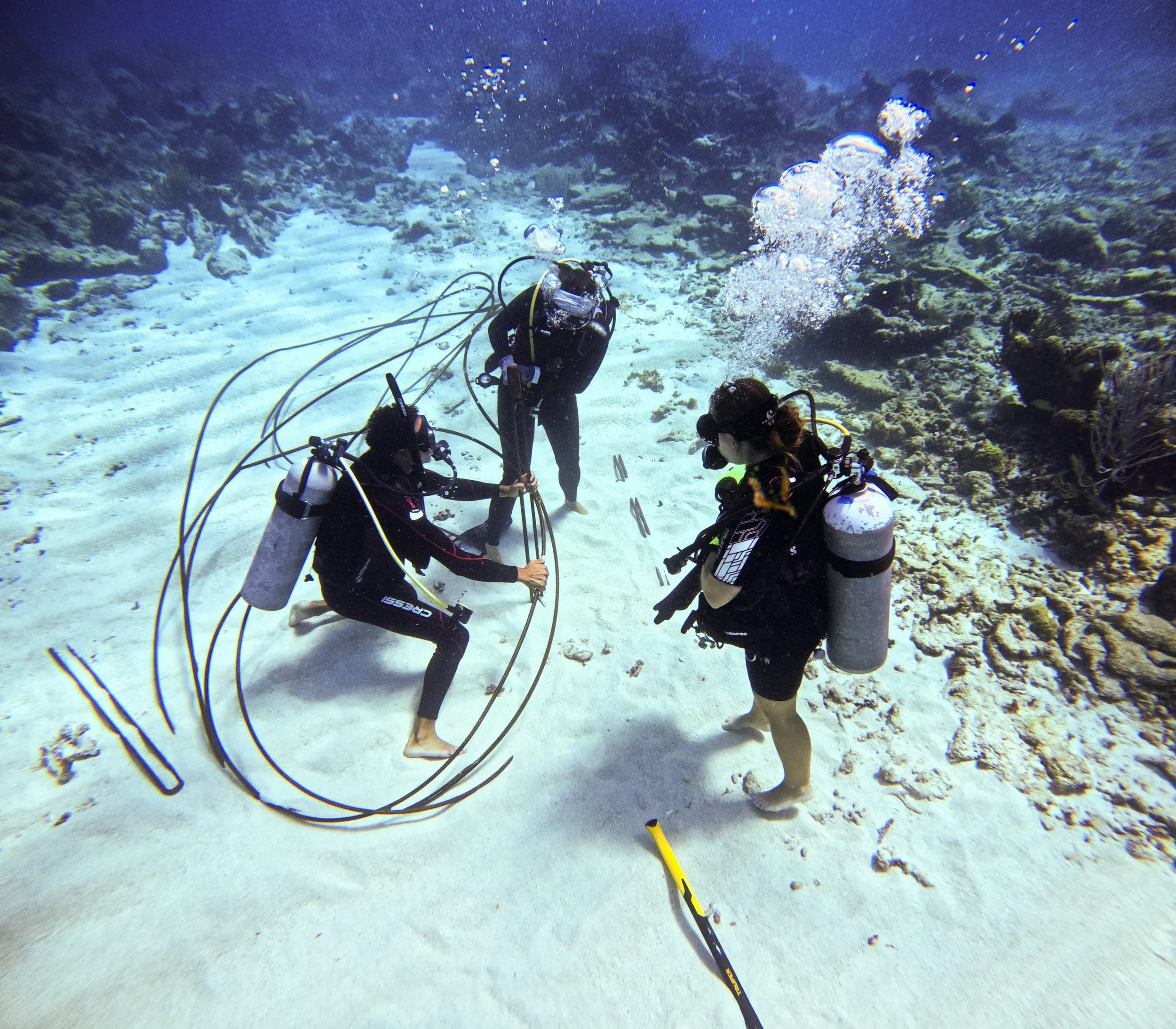
Bringing the sculptures from land to reef was a collaborative effort, with 15 YachtAid Global volunteers working alongside the AnuBlue team to transport, lower and install the four rebar structures along the eastern inside edge of Cades Reef.
Working above and below the water, the team carefully manoeuvred each sculpture into position and secured it to the sandy seafloor. Once installed, the structures were ready for the next stage
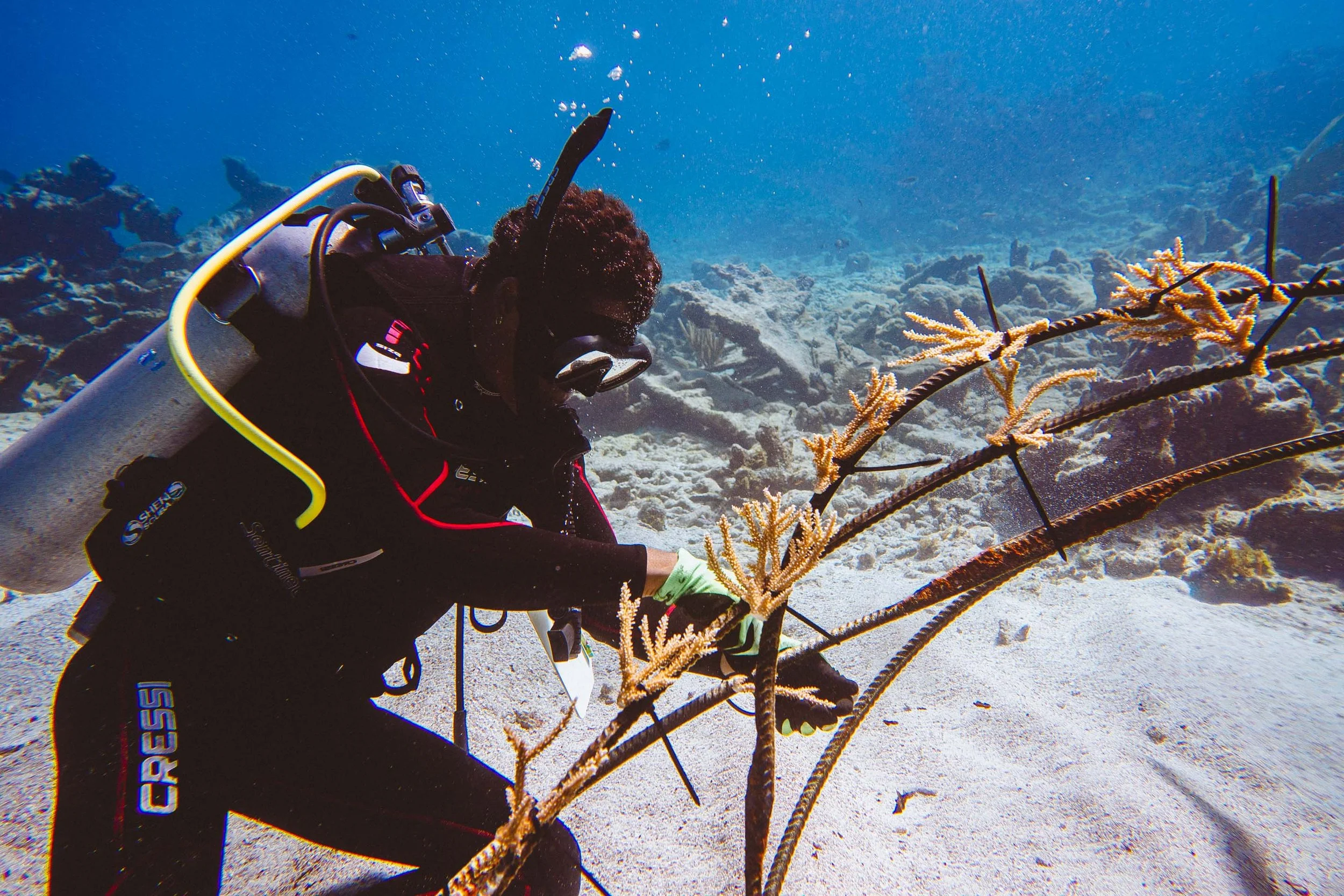
BRINGING THE SCULPTURES TO LIFE
Once installed, the focus shifted to coral restoration. Fragments grown in our nearby Cades nursery were carefully attached across the rebar structures, beginning their transformation into living reef habitat.
As of July 2026, 268 coral fragments are growing across the four sculptures, while a further 844 nursery-grown corals have been planted onto the surrounding reef, extending restoration across the wider site.
As the corals grow, they will continue to reshape the sculptures and become increasingly integrated into the reef around them.